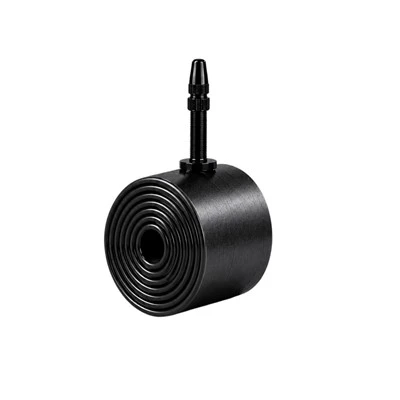
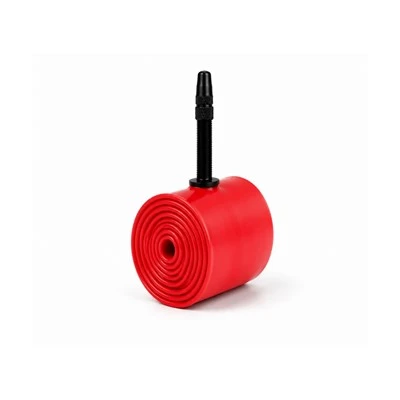
Bicycle tire size significantly impacts the riding experience, including performance, comfort, and speed. Different tire sizes each have their unique advantages and limitations:
1. 25-inch Tires (equivalent to 6.35 cm):
- Advantages: These tires offer excellent grip on hard surfaces, making them ideal for off-road and mountain biking. They are more durable than smaller tires, able to withstand higher speeds and greater impacts.
- Limitations: Larger tire sizes mean higher rolling resistance, resulting in relatively slower speeds on flat surfaces and potentially reduced comfort. Additionally, larger tires increase the overall weight of the bike.
2. 26-inch Tires:
- Advantages: As the most common bicycle tire size, it is suitable for a variety of road conditions. It offers higher speeds and lower rolling resistance on flat surfaces; it also performs well in light off-road riding.
- Limitations: Compared to larger tires, 26-inch tires may offer slightly less grip on hard surfaces and may be less durable in off-road riding.
3. 27.5-inch Tires (also known as 650B):
- Advantages: This tire size is popular in mountain biking due to its superior grip and off-road capability. It performs even better than 26-inch tires on rough terrain; it also performs well on flat surfaces.
- Limitations: Compared to 26-inch tires, 27.5-inch tires may be slightly less durable and may increase the cost of manufacturing the bicycle.
4. 29-inch Tires:
- Advantages: Designed specifically for heavy-duty mountain bikes, offering exceptional grip and off-road performance. It performs particularly well in extreme terrain conditions and maintains stability at high speeds.
- Limitations: Compared to smaller tires, 29-inch tires have higher rolling resistance, resulting in relatively slower speeds on flat surfaces. In addition, these types of tires may be more durable and have higher maintenance costs.