Gravel bikes are weird. One day you're bombing down a smooth tarmac descent, the next you're crunching over shale, sand, and who-knows-what-else on a remote fire road. And when you get a flat 30 miles from the nearest paved road, you're going to wish you'd packed the right spare.
A lot of gravel riders just grab whatever inner tube they find in their garage, jam it in, and hope for the best. But gravel tubes come in way more sizes than road tubes - 700c and 650b, 38mm to 50mm widths, different valve lengths for deep rims. Get it wrong, and you're either walking your bike home or carrying dead weight.
In this guide, we'll break down every gravel bike tube size, explain why TPU is a game-changer for gravel riding, and help you pick the perfect setup for your next adventure.
Why TPU Tubes Make So Much Sense for Gravel
Let's start with the obvious: gravel riding is rough. You're bouncing over rocks, roots, and ruts for hours on end. That's exactly the kind of riding where tube weight matters most - because you're either carrying a spare in your bag, or running tubes that have to survive real punishment.
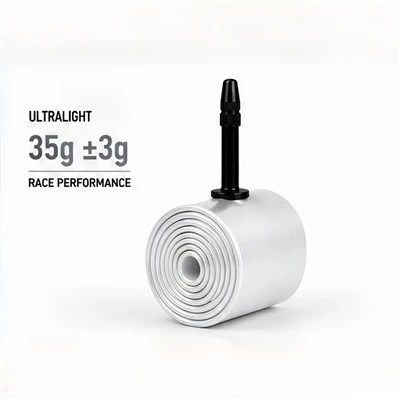
A TPU gravel tube review from any serious gravel rider will tell you the same thing: the weight savings alone are worth it. A standard butyl gravel tube weighs 150-200g. A gravel bike tube lightweight TPU option comes in around 28g to 46g. That's like strapping a bag of chips to your frame instead of a lead weight.
But it's not just about weight. TPU tubes also roll smoother, hold air longer, and - surprisingly - can be more resistant to pinch flats than thin butyl tubes, because the material stretches instead of folding when you hit a sharp edge.
700c vs 650b - Which Wheel Size Should You Run?
This is the first big decision every gravel rider faces. Gravel bikes are unique because they commonly come in two wheel sizes, and they need different tubes for each.
700c Gravel - The Speed Setup
700c (the same diameter as road wheels) is the traditional gravel wheel size. It's faster on smoother terrain, rolls better on pavement, and gives you more gear options if you're racing.
When you're looking for a gravel bike tube size in 700c, you'll typically be choosing between 38mm, 42mm, 45mm, 47mm, and 50mm widths. Wider tires = more comfort and grip on rough terrain, but slightly more rolling resistance on pavement.
A gravel tire inner tube 42mm or gravel bike tube 700 x 45 is the sweet spot for most gravel riders - versatile enough for fast group rides and rough backroad adventures alike.
650b / 27.5 - The Comfort Setup
650b (also called 27.5 gravel bike inner tube) is the smaller wheel size that's taken the gravel world by storm. You get to run much wider tires (typically 47mm to 50mm or more) while keeping the same overall wheel diameter as a 700c wheel with a narrower tire.
If you're running 650b wheels, you need a 650b gravel inner tube - don't try to squeeze a 700c tube into a 650b rim. They're different bead seat diameters, and it won't work.
A popular combo right now is 650b x 47 TPU tube - wide enough for serious off-road capability, light enough that you don't feel it in your bag.
When You Need a Gravel Tube for 50mm Tire
Running full-on monster cross or bikepacking tires? You'll need a gravel tube for 50mm tire. These are the widest gravel tubes available, designed for riders who want maximum float and comfort on the roughest terrain.
Just remember: wider tubes are also heavier. If you're carrying a spare, the weight difference between a 42mm tube and a 50mm tube is noticeable.
Valve Lengths for Gravel - Why You Might Need a Long Valve
Gravel bikes often come with deeper-section rims than road bikes, especially if you're running modern carbon gravel wheels. That means valve length matters.
Standard 45mm Valve - The Default
A gravel TPU tube 45mm valve will work for most alloy gravel rims and shallower carbon wheels. If you're not sure what rim depth you have, start here.
Long Valve for Deep Rims
Running deep section carbon gravel wheels? You'll need a gravel tube long valve. Gravel rims can be 25mm, 30mm, even 40mm deep - and the valve has to stick out far enough for your pump to grip.
A gravel tube presta valve with 60mm or 80mm length gives you the reach you need. And yes, gravel pumps usually have smaller heads than road pumps, so you need even more valve sticking out to get a good seal.
Bikepacking-Specific Considerations
Planning a multi-day trip? A gravel bikepacking tube 45mm is a solid backup choice - light enough to carry, durable enough to handle rough remote roads. Just make sure you've got the right width for your tires, because you won't be popping into a bike shop mid-trip.
Carrying Spares - What Every Gravel Rider Should Pack
Let's talk about the most important gravel tube: the spare you carry in your bag.
When you're doing a gravel bike tube replacement on the side of a trail, you want something that:
Fits your tires (obviously)
Is light enough that you don't mind carrying it
Is easy to install when your hands are cold, dirty, and shaking
A TPU tube checks all three boxes. A gravel bike spare tube in TPU material folds up tiny - smaller than a candy bar - and weighs almost nothing.
Weight Breakdown - Is It Worth Carrying Two?
Here's the math:
Standard butyl gravel tube: ~180g
TPU gravel tube: ~28g to 46g
That means you can carry three TPU tubes for the weight of one butyl tube. For long gravel rides or bikepacking trips, carrying a second spare is a no-brainer when it only costs you 30 extra grams.
Rough Roads and Pinch Flats - Can TPU Handle It?
This is the question everyone asks: "TPU tubes are so thin - won't they puncture instantly on gravel?"
Actually, no. Gravel tube for rough roads is one of the most common use cases for TPU, and here's why:
- TPU material is highly puncture-resistant relative to its thickness. It's not as fragile as it looks.
- The stretchy nature of TPU means it absorbs impacts instead of folding - which actually reduces pinch flats in some cases.
- When you do get a flat, TPU patches easier than butyl, and you're more likely to be carrying a proper patch kit because the tube is small and light.
Of course, nothing is flat-proof. You'll still want to run sealant, carry a spare, and choose tires with appropriate puncture protection. But as far as tubes go, TPU is more than capable of handling gravel.
Gravel Tube Size Quick Reference
|
Wheel Size |
Tire Width |
Tube Size to Buy |
Best For |
|
700c |
38c – 42c |
700 x 38-45c TPU |
Fast gravel, group rides |
|
700c |
42c – 47c |
700 x 42-50c TPU |
All-around gravel |
|
700c |
47c – 50c+ |
700 x 47-54c TPU |
Monster cross, rough terrain |
|
650b |
42c – 47c |
650b x 42-47c TPU |
Mixed terrain, comfort |
|
650b |
47c – 50c+ |
650b x 47-54c TPU |
Bikepacking, full send |
Final Thoughts
Gravel riding is all about freedom - the freedom to go wherever the road (or lack thereof) takes you. The last thing you want is the wrong inner tube holding you back.
Pick the right width for your tires, match your valve length to your rims, and go TPU for the weight savings. You'll be faster, comfier, and way less stressed when you see that glass bottle in the middle of the trail.
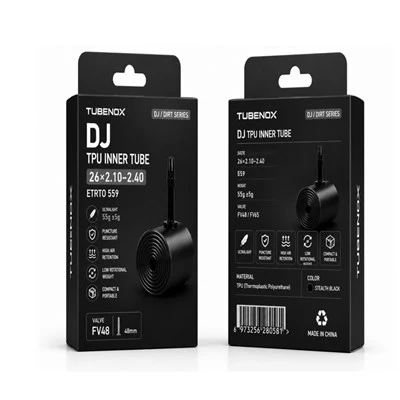
Ready to upgrade your gravel ride? Check out the TUBENOX Gravel TPU Inner Tube range - available in 700c and 650b, 38mm to 50mm widths, with 45mm, 60mm, and 80mm presta valves. Light enough to carry two, strong enough to handle the rough stuff.