Comparison of Three Mainstream Materials
Bicycle inner tubes are like the 'invisible armor' of a bicycle; the material determines its core performance:
Natural Rubber: The traditional choice, good elasticity but prone to aging, suitable for short-term use on retro bikes.
Butyl Rubber: The modern mainstream, excellent airtightness and cost-effectiveness, widely used on commuter bikes.
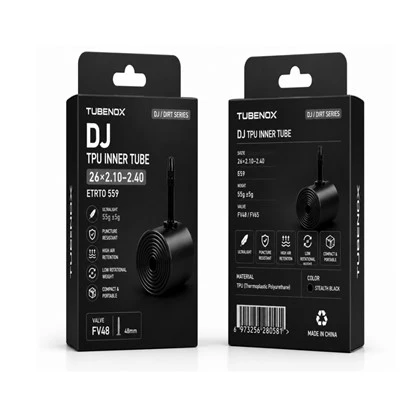
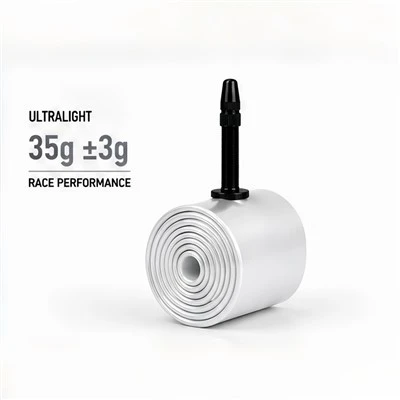
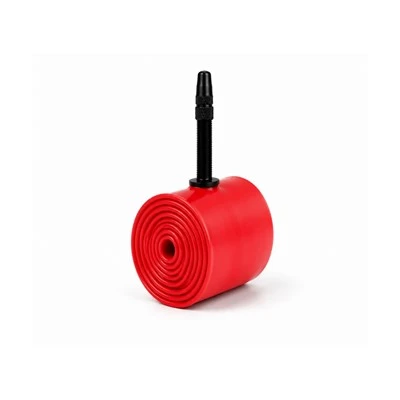
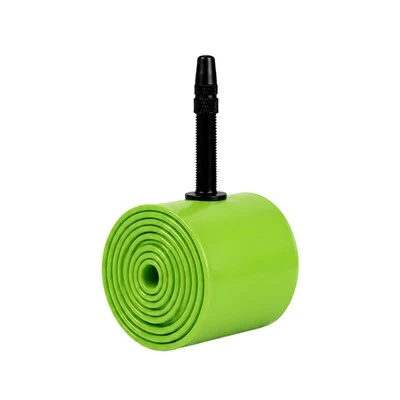
TPU Material: A rising choice, lightweight as low as 80g but more expensive, commonly found on racing bikes.
Matching Materials by Usage Scenarios
Different riding needs require different material options:
Urban Commuting: Butyl rubber is preferred, puncture-resistant and low maintenance costs. Long-distance cycling: It's recommended to carry a TPU spare inner tube; it's lightweight, easy to store, and doesn't take up much space.
Track racing: TPU material reduces rolling resistance and improves acceleration response.
Family leisure cycling: Natural rubber is easier to repair and suitable for slow-speed riding environments.
Practical tips for purchasing: These details will help you avoid common selection mistakes:
Pay attention to valve type: American valves are generally universal, while French valves require a dedicated pump.
Check thickness specifications: 1.5-2.0mm balances puncture resistance and weight.
Observe manufacturing details: The smoothness of the joint affects long-term reliability.
Consider seasonal factors: In low-temperature environments, prioritize cold-resistant materials.