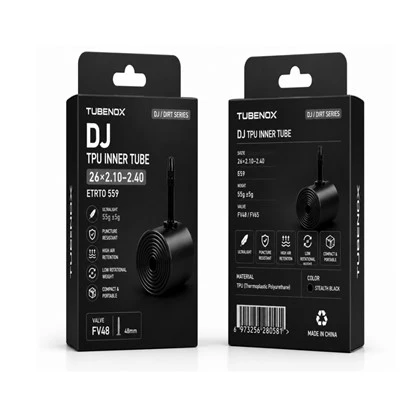
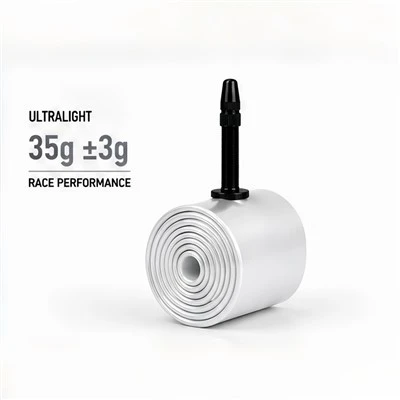
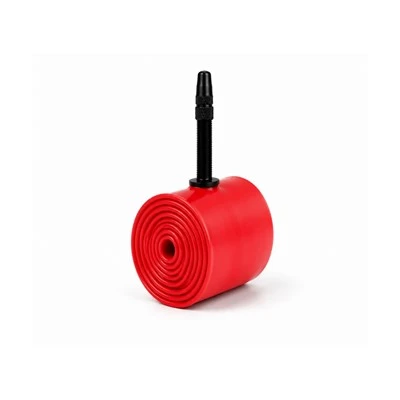
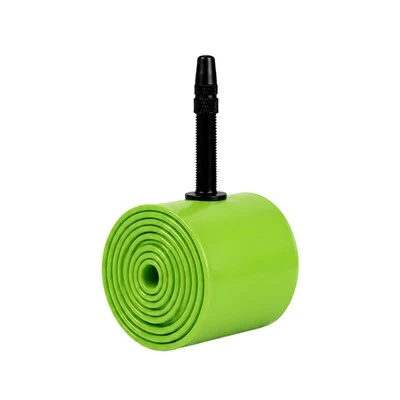
Material determines basic performance. The rubber compound of an inner tube is like the genes of the human body, directly affecting puncture resistance and elasticity. Currently, there are three main types:
Natural rubber: Good rebound but prone to aging, suitable for racing.
Butyl rubber: Excellent air tightness, the first choice for urban commuting.
Composite material: Includes a puncture-resistant layer, making mountain biking safer.
Thickness 0.8-1.2mm is the balance point; too thin and it's prone to punctures, too thick and it affects the riding experience.
The Details Reveal the Quality: Often overlooked manufacturing processes are the true dividing line between quality and performance:
Valveove Connection: Metal bases are 3 times more durable than pure rubber.
Seam Treatment: Laser welding is more reliable than glue.
Weight Distribution: High-quality inner tubes have a weight difference of no more than 5g.
Anti-oxidation Layer: A coating barely visible to the naked eye extends lifespan.
Matching the Right Scenarios is Crucial: There is no one-size-fits-all perfect inner tube, only the right combination:
Road Bikes: Choose lightweight + high air tightness.
Mountain Bikes: Focus on puncture resistance + cushioning performance.
Commuter Bikes: Consider cost-effectiveness + ease of repair.
Long-Distance Riding: Pay attention to compatibility with portable tire repair tools.