Tire characteristics can be broadly categorized into several aspects: road feel, wear resistance, puncture resistance, weight, rolling resistance, and grip. In addition, two characteristics are often overlooked but are crucial: power transmission and manufacturing quality. Below is a brief overview:
【Power Transmission】
If you've ridden a mountain bike with pellet tires and then switched to slick tires, you'll definitely notice that when starting, the same amount of effort results in more noticeable acceleration, and climbing hills feels much easier. This is because the tire's "power transmission" has improved, or in other words, its "rigidity" has increased. Tires with poor power transmission feel like the tread is glued to asphalt; even with significant effort, pedaling feels like stepping into mud.
[Manufacturing Quality]
Have you ever felt that some tires look rough and unpleasant? Some tires use different colors for visual appeal or other reasons, but have you noticed that the color boundaries are crooked? When you spin some tires on a rim, have you noticed that they aren't perfectly round, with some vertical deviations? Even manufacturers wouldn't want these unpleasant aspects in their products, but they might be sacrifices made due to inadequate quality control or cost considerations.
[Rolling Resistance]
When a wheel starts rolling, you'd want it to keep rolling without slowing down, but that's impossible due to wind resistance and other resistance. For bicycles, a small part of the resistance is from the hub bearings, but the main part is the tire's "rolling resistance." Lower rolling resistance makes it easier to maintain speed; in other words, you'll get faster with the same pedaling effort. Needless to say, the lower the rolling resistance, the better.
**[Grip]**
When cornering or braking, the last thing you want to happen is slippage, and tire grip is crucial in this situation. Even during straight-line acceleration, strong forces require grip. The greater the grip, the better.
**[Road Feel]** When encountering uneven road surfaces, some tires will make you feel very bumpy, causing discomfort; some tires feel muffled and insignificant; and others allow you to feel the changes in road conditions without experiencing bumps. These sensations are collectively called "road feel." You'll want a comfortable road feel, not a bumpy one.
**[Durability]**
Bicycle tires are generally expensive, costing many times more per unit of rubber than car tires. Therefore, you naturally want such an expensive item to last a long time, which is where tire durability comes in. Better durability means a longer mileage. Run-flat tires are arguably the most common problem encountered by recreational cyclists. To reduce weight, tires often have only a thin layer of outer sheath, making them less resistant to punctures from stones, glass, and branches. Most outdoor tires have a "run-flat" design to prevent foreign objects from puncturing the mesh cover.
[Weight]
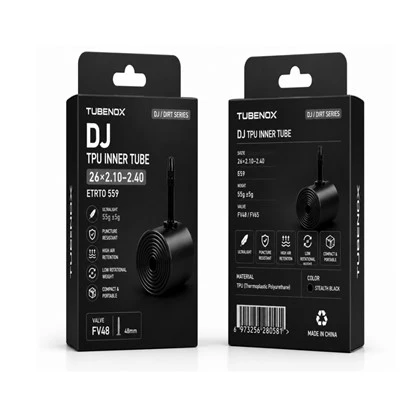
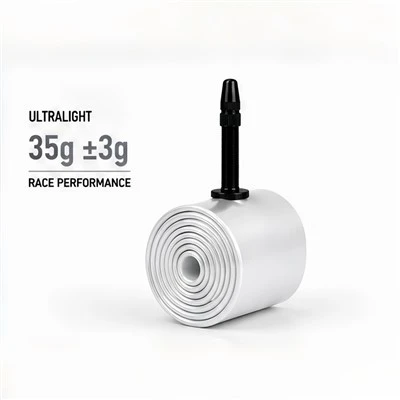
Perhaps you're someone who prioritizes lightweight design, scrutinizing every 10-20 grams of any bicycle component. Undoubtedly, inner and outer tires are also a key area for weight reduction; the difference in weight across a bike can be as much as 100-200 grams. Regardless of the actual effects of reduced tire weight, the sheer reduction in overall bike weight might be enough to convince you to buy lightweight tires.