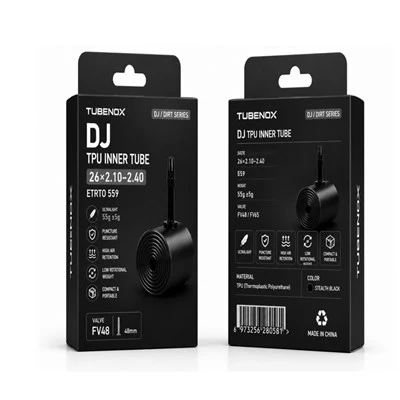
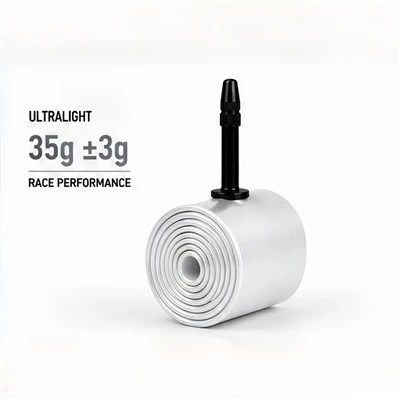
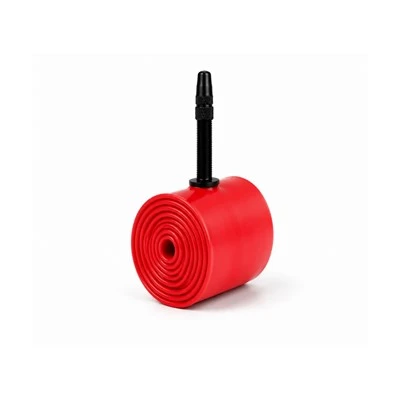
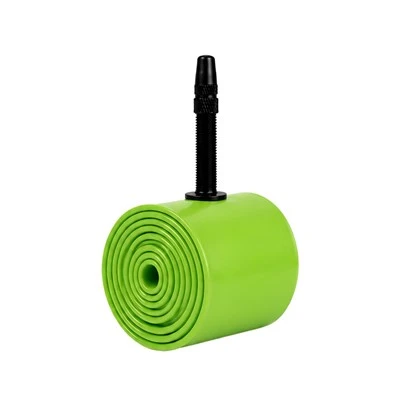
Shenzhen, China – TPU inner tubes have become a favourite upgrade for road, gravel and bikepacking riders thanks to ultra-low weight and compact pack size. But one issue keeps showing up in product reviews and buyer enquiries: failed repairs. Many riders treat TPU tubes the same way as traditional butyl rubber tubes, only to find patches pop off after a short ride.
Unlike butyl rubber, thermoplastic polyurethane does not bond well with standard rubber cement. This single difference creates nearly all the frustration around TPU tube repairs. For bike shops, distributors and brands, educating end users on correct patching is a simple way to cut return rates and improve customer satisfaction.
Step-by-Step TPU Tube Patching Process
Follow this workflow for a lasting repair:
- Locate the puncture. Inflate the tube slightly and submerge it in water to spot tiny air bubbles. Mark the leak point.
- Clean and dry the repair zone thoroughly. Wipe away dust, dirt, grease and residual sealant. Even a thin oil film will stop the patch from sticking.
- Lightly abrade only the puncture area. Do not scrub aggressively. Heavy sanding can thin the delicate TPU film and create new leaks.
- Apply TPU-specific adhesive or use pre-treated TPU patches. Regular butyl patch glue will not form a permanent bond.
- Press the patch firmly. Apply steady pressure for 60–90 seconds, squeeze out all trapped air underneath the patch.
- Let it cure fully. This is critical. Most TPU patch kits need 10–30 minutes of curing time. Do not inflate or ride immediately.
- Re-test. After curing, inflate and check again in water to confirm no air escapes.
The Most Common TPU Repair Mistakes
These are the top errors riders make, and they are also the most frequent reasons for product complaints:
Mistake 1: Using standard butyl rubber patch kits
This is the number one mistake. Ordinary rubber cement is formulated to vulcanize with butyl. It sits on top of smooth TPU film instead of fusing. The patch may seem stuck at first, but vibration and flexing during riding will make it peel off quickly.
Mistake 2: Over-sanding the TPU surface
Butyl tubes tolerate heavy scuffing. TPU film is extremely thin. Too much abrasion weakens the surrounding material. A tiny pinhole repair can turn into a large split after inflation.
Mistake 3: Patching wet, dirty or oily surfaces
Sweat, road grime, tire sealant residue and hand lotion all act as release agents. The adhesive cannot grip contaminated TPU.
Mistake 4: Skipping the curing time
Many riders patch on the roadside, stick the patch on, pump up and roll away. TPU adhesives require proper cure time. Quick roadside fixes rarely hold up long-term.
Mistake 5: Trying to patch large tears
TPU patches work best for small pinholes under 2–3mm. Long cuts, stretched rips or damage near the valve stem are not repairable. Replace the tube instead.
Mistake 6: Stretching the tube while patching
If you pull the tube tight when applying the patch, the material will relax after you finish. This creates tension under the patch and causes separation.
Roadside Strategy vs Home Repair
It is important to set clear expectations for your customers. A TPU patch is reliable as an at-home repair. For remote gravel rides or races, most experienced riders carry a spare folded TPU tube instead of relying on field patching. Changing a new tube is faster and far less risky than trying to patch on a muddy trail.
Buying Tip for Brands & Distributors
If you sell TPU inner tubes, bundling matching TPU patch kits is a smart add-on. Retailers who sell tubes alone often receive negative reviews blaming the tube quality, when the real problem is incompatible repair supplies. Add a short printed warning card inside packaging to tell buyers: Do not use regular butyl patch glue.
Quality TPU tubes can be patched multiple times when fixed correctly. A properly repaired TPU tube remains lighter than a brand-new standard butyl tube, so it still retains its core advantage. It is not disposable - it just needs the right repair method.
FAQ
Can I patch a TPU bike inner tube?
Yes, but you must use TPU-specific patches and adhesive. Standard butyl repair kits do not work.
How long does a TPU patch last?
When cleaned, prepped and cured properly, a good patch can last for many rides. Field emergency patches are less reliable.
Is it better to carry a patch kit or spare TPU tube?
For bikepacking and gravel riding, a spare tube is the safer roadside option. Save patching for home repairs.
What size puncture can be patched?
Small pinholes under 3mm work well. Long slashes and valve-area damage cannot be patched safely.
Contact us to order matching TPU patch kits alongside your TPU inner tube orders. We supply private-label patch kits for resale and include user instruction cards.