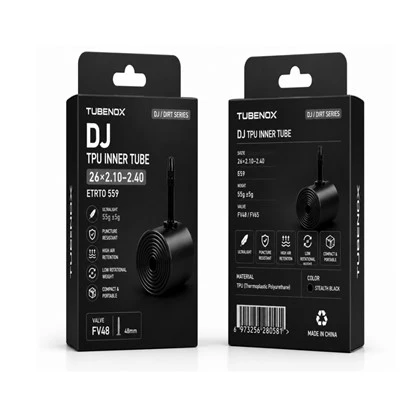
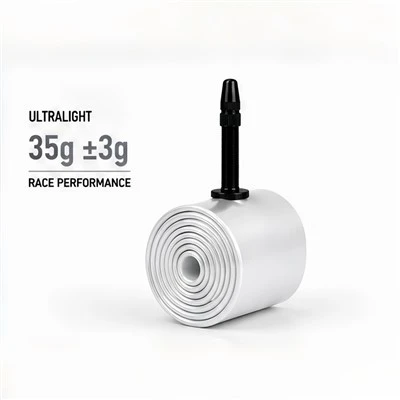
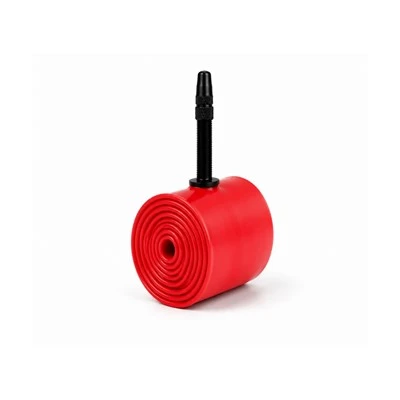
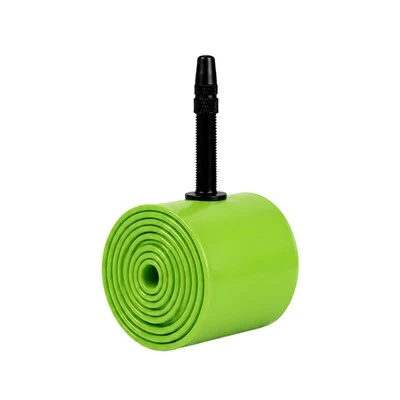
For many road cyclists, upgrading an inner tube does not sound as exciting as buying a new wheelset, carbon handlebar, or high-end tire. But once riders try a quality TPU tube, they often realize how much difference a small component can make. A road bike TPU inner tube is lighter, more compact, and easier to carry than a traditional butyl tube, making it a smart upgrade for racing, training, long-distance rides, and spare tube kits.
The best TPU tubes for road bikes are not simply the lightest ones on the market. A good TPU tube should balance low weight, stable air retention, reliable sealing, correct tire compatibility, and a valve length that matches the rider's rim depth. For bicycle brands, distributors, and OEM buyers, the right TPU tube also needs consistent production quality, clear specifications, and packaging that fits the target market.
In this guide, we will explain what makes a good TPU road bike tube, how it compares with butyl tubes, which sizes are commonly used for 700C road bikes, and what riders should look for before choosing one.

What Is a TPU Tube?
A TPU tube is an inner tube made from thermoplastic polyurethane. Compared with standard butyl rubber, TPU material can be made thinner while still keeping good strength and flexibility. This allows the tube to be much lighter and smaller when folded.
For road bikes, this matters a lot. Road cyclists care about weight, space, rolling efficiency, and reliability. A lightweight bicycle tube can reduce rotating weight, while a compact spare tube saves room in a saddle bag, jersey pocket, or tool bottle.
A typical butyl road bike tube may weigh around 90–120g depending on size and valve length. Many TPU road bike tubes are around 25–45g. That weight saving may not sound huge on paper, but because inner tubes rotate with the wheel, many riders can feel the difference in acceleration and handling, especially when climbing or riding at higher speeds.
Why Road Cyclists Are Switching to TPU Tubes
Road cycling has changed a lot in recent years. Wider tires, deeper rims, tubeless setups, and lighter components have become common. At the same time, many riders still prefer inner tubes because they are simple, clean, easy to replace, and compatible with most standard clincher tires.
TPU tubes fit this trend well. They offer a practical middle ground between traditional butyl tubes and more complex tubeless systems.
The biggest reason riders choose TPU is weight. A pair of TPU tubes can save noticeable grams compared with standard butyl tubes. This is useful for road racing, endurance rides, climbing bikes, and riders who want a lighter setup without replacing expensive parts.
The second reason is compact storage. TPU tubes fold down very small. A rider can carry one or two spare tubes without filling the whole saddle bag. For long rides, gran fondos, or bikepacking-style road trips, this makes the repair kit much easier to organize.
The third reason is ride feel. Many riders report that TPU tubes feel more responsive than standard butyl tubes. While tire choice, pressure, rim width, and road surface all affect comfort and speed, TPU tubes are often chosen by cyclists who want a faster and lighter road bike setup.
TPU Tube vs Butyl Tube: Which One Is Better?

There is no single answer for every rider. But for road bikes, TPU tubes have several clear advantages.
A butyl tube is still the most common inner tube because it is affordable, easy to find, and familiar to most cyclists. It is a good choice for basic training bikes, city bikes, and riders who want the lowest replacement cost.
A TPU tube is better for riders who want lower weight, smaller packing size, and a more performance-focused setup. For many cyclists, TPU is one of the easiest upgrades because it does not require changing wheels, tires, or drivetrain parts.
However, TPU tubes also need proper handling. They should not be installed carelessly. Riders should avoid sharp rim tape edges, pinching the tube under the tire bead, or inflating it too much before installation. A TPU inner tube is thin and lightweight, so correct installation is important.
In short, butyl tubes are simple and economical. TPU tubes are lighter, more compact, and better suited for riders who care about performance and space saving.
Best TPU Tube Sizes for Road Bikes
Most modern road bikes use 700C wheels. The correct TPU tube size depends on the tire width. Common road tire widths include 25C, 28C, 30C, and 32C. Some endurance road bikes and all-road bikes may use 35C or wider tires.
For road bike TPU tubes, common size ranges include:
700 × 18–28C
This size is suitable for narrow road tires, traditional racing bikes, and riders using 23C, 25C, or 28C tires. It is usually the lightest option for pure road riding.
700 × 23–32C
This is one of the most practical choices for modern road bikes. Many riders now use 28C or 30C tires, and this size range offers better compatibility than very narrow tubes.
700 × 32–50C
This size is more suitable for endurance road bikes, light gravel bikes, all-road bikes, and wider tire setups. It is not always necessary for pure racing road bikes, but it works well for riders using wider tires for comfort and stability.
When choosing a 700C TPU inner tube, the tire size printed on the tire sidewall should always be checked first. If the tire says 700 × 28C, a tube marked 700 × 18–28C or 700 × 23–32C may be suitable, depending on the manufacturer's range.
Choosing the Right Valve Length
Valve length is another important detail. Most road bike TPU tubes use Presta valves, also called FV valves. The correct valve length depends on the rim depth.
For low-profile alloy rims, a 45mm or 48mm valve is usually enough. For medium-depth carbon rims, 65mm is often a good choice. For deep-section aero wheels, 80mm or 85mm valves may be needed.
A valve that is too short can make inflation difficult or impossible. A valve that is too long may still work, but it may look less clean and can be easier to knock during handling. For OEM road bike tubes, offering several valve lengths is a practical way to cover more customer needs.
Common road bike TPU tube valve options include:
FV45 / FV48 for shallow rims
FV65 for medium-depth rims
FV85 for deep carbon rims
For brands and distributors, valve length is not just a technical detail. It affects customer satisfaction. If a rider buys a lightweight TPU tube but cannot inflate it properly because the valve is too short, the product experience is poor. Clear valve information on the package and product page is important.
What Makes the Best TPU Tubes for Road Bikes?
The best TPU tubes for road bikes should not be judged by weight alone. A very light tube is attractive, but it still needs to perform reliably on real roads.
A good road bike TPU tube should have stable thickness, clean welding, strong valve bonding, and good air retention. It should be easy to install, compatible with common clincher tires, and compact enough for spare tube storage.
For riders, the most important points are:
Low weight
A TPU tube should be much lighter than a standard butyl tube. For road cycling, every gram matters, especially for riders who climb, race, or want faster acceleration.
Compact folded size
A quality TPU tube should fold into a small shape without damage. This makes it ideal as a spare tube for road cyclists.
Reliable valve connection
The valve area is one of the most important parts of a TPU inner tube. Poor valve bonding can cause slow leaks or sudden failure. A strong and well-finished valve base is essential.
Good air retention
Road cyclists do not want to pump their tires before every short ride. While all tubes slowly lose air over time, a good TPU tube should hold pressure well enough for regular riding.
Clear size matching
A TPU tube should clearly state its compatible tire size range, ETRTO size, valve type, and valve length. This helps riders choose the correct model and reduces after-sales issues.
Are TPU Tubes Good for Daily Training?
Yes, TPU tubes can be used for daily road bike training, but riders should choose the right model. Some ultra-light TPU tubes are designed mainly for racing or emergency spare use. For everyday riding, a slightly stronger version may be better.
Daily training includes rough roads, repeated installation, frequent inflation, and different weather conditions. A road cyclist who rides several times per week may prefer a TPU tube that balances light weight with durability instead of choosing only the lowest possible weight.
For example, a 25g ultra-light TPU tube may be attractive for racing. A 34g or 36g model may be more practical for regular training because it offers a stronger feel while still being much lighter than most butyl tubes.
This is also important for OEM buyers. Not every market needs the lightest product. Some customers want a racing tube. Others want a reliable lightweight tube for daily use. A good product line should include different options for racing, training, and spare tube use.
Are TPU Tubes Good as Spare Tubes?
TPU tubes are excellent spare tubes for road bikes. In fact, many cyclists first buy TPU tubes for this reason.
A traditional butyl spare tube can take up a lot of space in a saddle bag. If a rider also carries tire levers, CO₂ cartridges, a mini pump, patches, a multitool, and snacks, the bag becomes crowded quickly. TPU tubes solve this problem because they fold very small.
For riders using tubeless road tires, a TPU tube is also a useful emergency backup. Even if the rider prefers tubeless sealant, a large cut or tire damage may still require a tube to get home. A compact TPU spare tube is easy to carry without adding much weight.
For brands, this creates a strong product angle: TPU tubes are not only for performance upgrades. They are also a smart repair kit product. Packaging can highlight "lightweight spare tube," "compact road bike backup," or "easy to carry for long rides."
Installation Tips for Road Bike TPU Tubes
Correct installation helps TPU tubes perform better and last longer. Riders should always check the rim tape before installing a new tube. The rim tape should cover spoke holes fully and should not have sharp edges.
Before installation, the tube can be slightly inflated just enough to give it shape. It should not be inflated too much outside the tire. Then the tube should be placed carefully inside the tire without twisting.
When mounting the tire bead, riders should avoid pinching the tube between the tire and rim. After installation, it is helpful to inspect both sides of the tire before full inflation. If any part of the tube is visible under the bead, stop and adjust it.
For high-pressure road tires, inflation should be done gradually. Riders should also follow the pressure range recommended by the tire manufacturer. TPU tubes are lightweight products, so careful installation is more important than with thick butyl tubes.
Can TPU Tubes Be Repaired?
Some TPU tubes can be repaired with special TPU patches, but riders should not use regular butyl patches unless the manufacturer says they are compatible. TPU material is different from butyl rubber, so the repair method is also different.
For road cyclists, carrying a spare TPU tube is often easier than repairing a puncture on the roadside. A patch kit is useful for backup, but a clean tube replacement is usually faster during a ride.
For OEM and wholesale buyers, repair instructions should be clear. If repair patches are included, the package should explain how to use them. If the tube is designed mainly as a lightweight spare, that should also be communicated honestly.
Who Should Use TPU Road Bike Tubes?
TPU road bike tubes are a good choice for many types of riders.
Road racers can use TPU tubes to reduce rotating weight and improve bike responsiveness. Climbing-focused riders may appreciate the lighter setup. Endurance riders can carry compact spares without filling their bags. Daily cyclists can enjoy a lighter ride without switching to tubeless.
TPU tubes are also suitable for bicycle shops and distributors because they are easy to display, ship, and store. Compared with bulky butyl tubes, TPU tubes can be packed in smaller boxes, which helps reduce shelf space and shipping volume.
For OEM bike brands, TPU tubes can be offered as an upgraded component, replacement accessory, or private label product. With custom packaging and branding, TPU tubes are a practical product for road bike accessory lines.
OEM TPU Tubes for Road Bike Brands
For B2B customers, choosing the best TPU tubes for road bikes is not only about the rider experience. It is also about supply stability, customization, and market positioning.
A good OEM TPU inner tube supplier should provide clear specifications, stable production quality, and flexible packaging options. Common customization options include logo printing, color box design, valve length selection, product labeling, and size range planning.
For road bike brands, a complete TPU tube series may include:
700 × 18–28C for racing road bikes
700 × 23–32C for modern road and endurance bikes
700 × 32–50C for all-road and light gravel setups
Multiple Presta valve lengths for different rim depths
Retail packaging or bulk packaging for distributors
MOQ, sample lead time, and packaging design are also important. Many new brands prefer to start with a small trial order before moving to larger production. A supplier that supports OEM and ODM service can help customers test the market more easily.
How to Choose the Best TPU Tube for Your Road Bike
Before buying a TPU road bike tube, check three things: tire size, rim depth, and riding purpose.
First, check the tire sidewall. If your tire is 700 × 25C or 700 × 28C, choose a compatible 700C road TPU tube. If your tire is 700 × 32C, a 23–32C tube may be suitable. If your tire is wider, choose a larger size range.
Second, check your rim depth. Shallow rims can use shorter valves. Deep carbon rims need longer valves. If you are unsure, choose a valve long enough to leave enough exposed length for easy inflation.
Third, think about how you ride. For racing, an ultra-light model may be the best choice. For daily training, a balanced lightweight model may be better. For spare tube use, compact folded size and reliable packaging matter most.
The best TPU tube is the one that fits correctly, installs smoothly, holds air well, and matches the rider's real use.
Final Thoughts
TPU tubes have become popular in road cycling because they solve several common problems at once. They reduce weight, save space, and offer a cleaner upgrade path for riders who still prefer inner tubes. For many cyclists, switching from butyl to TPU is one of the simplest ways to make a road bike feel lighter and more efficient.
However, the best TPU tubes for road bikes are not only about being ultra-light. Quality, valve strength, air retention, correct sizing, and clear instructions are just as important. A well-made TPU tube should give riders confidence, whether it is used for racing, training, or emergency roadside repair.
For bicycle brands, wholesalers, and OEM customers, TPU road bike tubes also offer strong market potential. With the right size range, valve options, and custom packaging, they can become a valuable product line for modern road cycling accessories.
If you are looking for lightweight, compact, and customizable TPU tubes for road bikes, choosing a reliable manufacturing partner is the first step. A good TPU tube should not only look good on the product page. It should perform well on the road, ride after ride.
FAQ
Are TPU tubes better than butyl tubes for road bikes?
TPU tubes are lighter and more compact than traditional butyl tubes, making them a good choice for road cyclists who want better portability and lower bike weight. Butyl tubes are usually cheaper, while TPU tubes are more performance-focused.
What size TPU tube do I need for a 700C road bike?
It depends on your tire width. Common road bike options include 700 × 18–28C, 700 × 23–32C, and 700 × 32–50C. Always check the tire size printed on your tire sidewall before choosing a tube.
Can I use a TPU tube as a spare tube?
Yes. TPU tubes are excellent spare tubes because they are very compact and lightweight. Many riders carry them in saddle bags, jersey pockets, or tool bottles.
What valve length should I choose?
For shallow rims, 45mm or 48mm valves are usually enough. For medium-depth rims, 65mm is often suitable. For deep carbon rims, 80mm or 85mm valves may be needed.
Are TPU tubes suitable for OEM or private label projects?
Yes. TPU tubes are suitable for OEM and private label projects. Common customization options include size selection, valve length, logo, color box packaging, product labeling, and bulk packing.