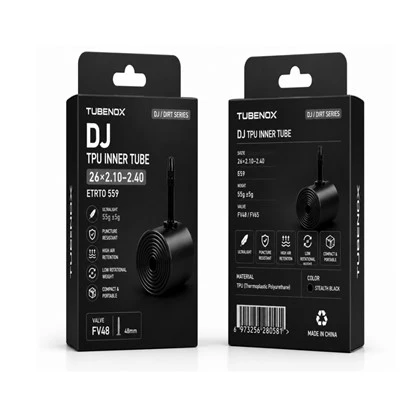
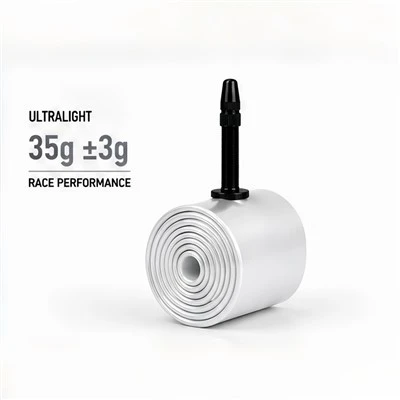
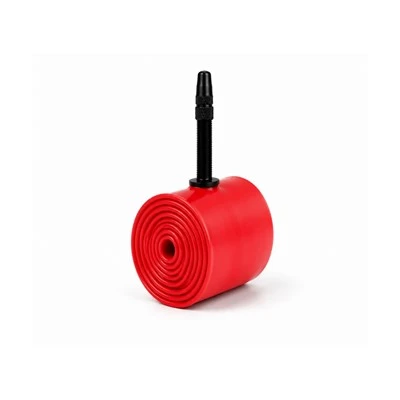
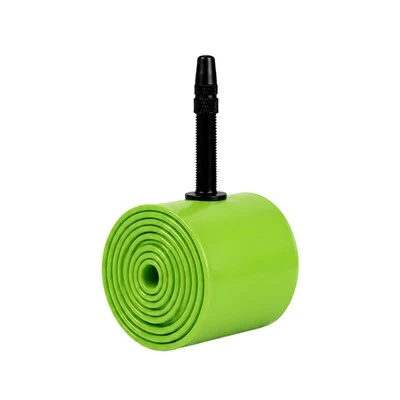
One of the most common questions cyclists ask before switching to TPU inner tubes is surprisingly simple:
How long do they actually last?
It's a fair question.
TPU tubes are lighter than traditional butyl tubes and often marketed as performance products. Naturally, some riders assume that lower weight means shorter lifespan.
The reality is a bit more nuanced.
Modern TPU inner tubes have come a long way over the past few years. Manufacturing quality has improved significantly, materials have become more consistent, and many of the durability concerns associated with early-generation TPU products have largely been addressed.
So how long should you expect a TPU tube to last?
The honest answer is:
Long enough that most riders replace them because of punctures, tire changes, or bike upgrades-not because the tube simply wears out.
Let's take a closer look.

There Isn't a Simple Mileage Number
Many cyclists want a clear answer.
Something like:
1,000 miles
3,000 miles
5,000 miles
Unfortunately, inner tube lifespan doesn't work that way.
A TPU tube ridden on smooth pavement by a lightweight road cyclist may last dramatically longer than a tube used on rocky mountain bike trails.
The lifespan depends on several factors:
- Riding conditions
- Tire quality
- Installation
- Rider weight
- Tire pressure
- Maintenance habits
Because of these variables, two identical TPU tubes can have very different life expectancies.
What Usually Ends a Tube's Life?
Interestingly, most TPU tubes don't fail because the material reaches the end of its usable life.
Instead, they are typically replaced due to:
Punctures
The most common reason.
Glass, thorns, sharp rocks, metal debris, and other hazards can damage any tube regardless of material.
Tire Replacement
Many riders install a new tube when replacing worn tires, even if the original tube is still functional.
Accidental Damage During Installation
Pinching a tube between the tire bead and rim remains one of the most common causes of premature failure.
This applies to TPU, butyl, and latex alike.
Valve Damage
Although modern valve construction is much stronger than it once was, valve areas remain one of the most stressed parts of any inner tube system.
How Durable Is TPU Compared to Butyl?
This is where misconceptions often appear.
Many cyclists assume:
- Lighter = Less Durable
- But that's not necessarily true.
- TPU and butyl are completely different materials.
A modern TPU tube achieves its low weight through material efficiency rather than simply reducing strength.
In real-world riding, high-quality TPU tubes often provide durability levels comparable to traditional butyl tubes when used correctly.
What differs is how the materials behave.
Butyl relies on thickness.
TPU relies on advanced polymer properties.
The result is two different approaches to solving the same problem.
Road Riding: Where TPU Performs Best
Road cycling is arguably where TPU tubes have seen the fastest adoption.
Road riders benefit from:
- Lower rotational weight
- Compact spare storage
- Consistent performance
Because road tires generally operate in cleaner environments than off-road tires, TPU tubes often enjoy long service lives when paired with quality tires and proper pressure management.Many cyclists report using the same TPU tube for entire seasons without issue.
Gravel Riding: Real-World Performance
Gravel riding places more demands on any tube system.
Sharp stones, rough surfaces, and longer ride distances increase the likelihood of punctures.
Yet TPU tubes remain popular among gravel riders for a simple reason:
The compact size makes carrying a spare incredibly convenient.
For many gravel cyclists, a TPU spare occupies less than half the space of a comparable butyl tube.
That practical advantage alone often justifies the switch.
What About Mountain Biking?
Mountain biking presents unique challenges.
Trails introduce:
- Sharp rocks
- Roots
- Impacts
- Aggressive cornering forces
Because of this, MTB-specific TPU tubes are typically designed with additional reinforcement compared to ultralight road versions.
When matched correctly to tire width and riding style, modern MTB TPU tubes have proven themselves capable of handling demanding trail conditions.
However, riders who regularly encounter extremely rocky terrain may still prioritize tire inserts or tubeless setups depending on their goals.
Heat, Weather, and Storage
Another question often asked is whether TPU material degrades over time.
Like any cycling component, storage conditions matter.
The good news is that TPU generally demonstrates excellent resistance to:
- Moisture
- Normal temperature fluctuations
- Everyday environmental exposure
- To maximize lifespan:
- Store spare tubes in a cool, dry location
- Avoid prolonged exposure to direct sunlight
- Keep tubes away from sharp objects
- Avoid excessive folding stress in the same location
Under normal conditions, TPU tubes can remain stored for extended periods without issues.
Installation Matters More Than Most Riders Realize
If there's one factor that influences tube lifespan more than many cyclists expect, it's installation.
The majority of tube failures aren't caused by material defects.
They're caused by simple mistakes during setup.
Common examples include:
- Pinched tubes
- Twisted tubes
- Incorrect tire sizing
- Damaged rim tape
- Sharp debris left inside the tire
- A careful installation process can dramatically improve reliability.
This is true whether you're using TPU, butyl, or latex.
Signs It May Be Time to Replace a TPU Tube
Unlike tires, tubes don't always show obvious wear indicators.
However, replacement may be worth considering if you notice:
- Repeated unexplained air loss
- Visible damage around the valve
- Permanent deformation
- Multiple repairs in the same area
- Material damage caused by severe punctures
In many cases, though, a TPU tube can continue performing reliably for a surprisingly long time.
Why More Cyclists Are Choosing TPU for Long-Term Use
A few years ago, many riders viewed TPU as a specialty product.
Today, perceptions have changed.
The technology has matured.
Manufacturing standards have improved.
And real-world experience has demonstrated that TPU tubes can provide both performance and durability.
For many cyclists, the benefits extend beyond weight savings:
- Smaller spare tubes
- Cleaner storage solutions
- Reduced rotational mass
- Consistent everyday performance
That's why TPU is increasingly becoming a mainstream choice rather than a niche upgrade.
What About OEM and Private Label TPU Tubes?
As rider demand grows, cycling brands are paying closer attention to TPU technology.
Many distributors and manufacturers now offer:
- Private-label TPU inner tubes
- Custom tube colors
- Custom packaging solutions
- OEM TPU tube development
The market is evolving quickly, and durability improvements are one of the key reasons more brands are investing in TPU product lines.
So, How Long Will Your TPU Tube Last?
For most riders, the answer is simple:
Much longer than you probably expect.
A quality TPU tube that is:
- Properly installed
- Correctly sized
- Used within its intended application
- can provide reliable performance for thousands of miles of riding.
- In practice, punctures and external factors are far more likely to end a tube's life than material fatigue alone.
Final Thoughts
When TPU tubes first entered the cycling market, durability was one of the biggest concerns.
Today, that concern is becoming increasingly outdated. Modern TPU inner tubes have proven that lightweight construction doesn't automatically mean short lifespan. Like any cycling component, longevity depends on how the product is used and maintained.
But for road riders, gravel cyclists, mountain bikers, BMX riders, and bikepackers alike, today's TPU tubes offer a combination of performance, convenience, and durability that would have been difficult to imagine just a few years ago.And that's one of the biggest reasons they continue gaining popularity across every segment of the cycling world.