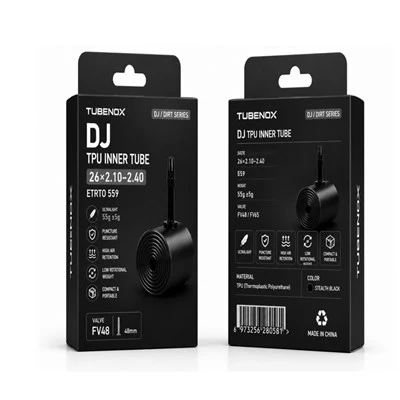
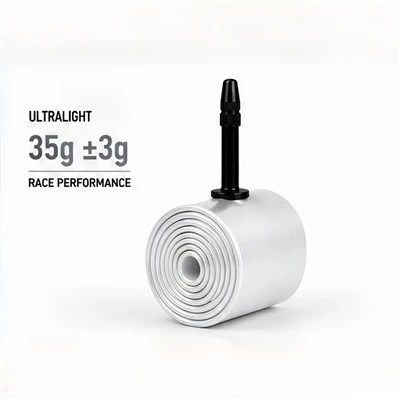
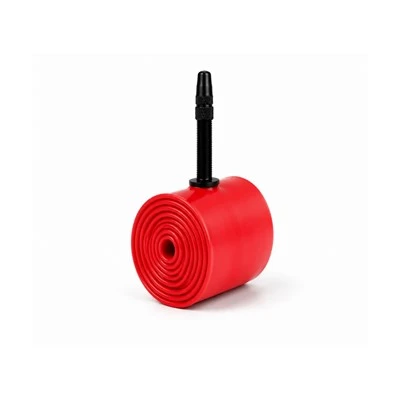
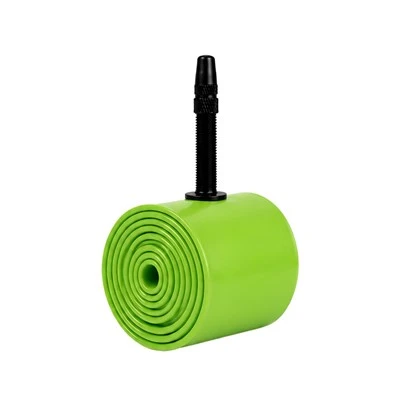
The big question: Is TPU patchable at all?
If you have used butyl tubes for years, patching is second nature. Roughen the surface, apply glue, stick a patch, wait, done. TPU is a totally different material, and this is where most riders run into trouble.
Short answer: Yes, TPU inner tubes can be patched, but not with standard butyl rubber patches. Ordinary rubber patches will not form a reliable long-term bond on smooth TPU film. Many riders try a regular patch out on the trail, only to find it leaks again minutes later.
Patching TPU is possible, but it has clear boundaries. It works best for clean, small pinholes. Sidewall tears, long slashes, or multiple punctures are almost never worth repairing. For those, replacement is safer.
What kind of patches work for TPU?
Not all bike patch kits are equal for thermoplastic polyurethane.
❌ Standard vulcanizing rubber patches: poor adhesion, leaks easily. Not recommended.
✅ TPU-specific self-adhesive film patches: designed for this thin material, the best option for home and trail use.
✅ Liquid TPU repair glue: good for tiny pinholes, but slow to cure out on the road.
Important note: Even the best TPU patch is not as durable as a new tube. Patched sections are weaker and more prone to failing under high pressure or flex. A patched TPU tube is best treated as a temporary backup, not your main race tube.
Step-by-step guide to patching a TPU inner tube
This process needs more care than patching butyl. Rushing is the main reason for failed repairs.
Locate the hole. Inflate gently and submerge the tube in water to spot bubbles. Mark the puncture.
Wipe the area completely clean. Remove dust, trail mud, sealant residue or grease. Any contamination ruins adhesion.
Do NOT aggressively sand the TPU surface. Heavy scratching will weaken the thin film and create new leaks. A very light wipe with isopropyl alcohol is enough.
Peel the TPU patch, carefully align it over the hole, and press firmly from center outwards. Squeeze out every air bubble trapped underneath.
Let it rest. Self-adhesive patches need 3–5 minutes to bond; liquid glue needs much longer curing time.
Test: Inflate low pressure first and check for leaks again before putting it back into the tire.
When you should NOT patch your TPU tube
Save your time and skip the patch if you see any of these:
- Long cuts or sidewall damage
- Multiple punctures close together
- The hole sits near the valve base
- The tube is stretched or nicked from tire lever damage
- You plan to use it for racing, fast descents or high tire pressure
For these cases, carry a spare TPU tube instead. The risk of a mid-ride failure is not worth saving one tube.
Trail repair reality check
Bikepacking and gravel riders often hope to patch their TPU spare out on remote trails. In practice, trail conditions make TPU patching unreliable. Dirt, sweat, cold temperatures all hurt the patch bond. If your only spare TPU gets punctured far from help, patching it is a last-resort emergency fix, not a guaranteed solution.
This is why many experienced gravel riders carry two compact TPU spares, rather than relying on patching one single tube repeatedly.
Common mistakes that make TPU patches fail
We see these mistakes all the time from customer feedback:
- Using regular butyl patches.
- Sanding or scraping the thin TPU film too hard.
- Patching while the surface is wet, muddy or greasy.
- Not removing all tubeless sealant residue from the tube.
- Pumping to full pressure immediately after applying the patch, before bonding finishes.
- Folding the patched area tightly after repair.
TPU patching vs just carrying a spare
Let's compare the two strategies. Patching: Saves you from buying a new tube, but requires a special patch kit, careful prep, and only works for small clean holes. Good for home maintenance. Carrying a spare TPU: Zero repair work on trail, instant swap, reliable. It weighs very little and folds tiny, which is the biggest selling point of TPU.
For most gravel, road and bikepacking riders, the smarter plan is: patch damaged tubes at home for low-pressure training rides, and keep fresh TPU tubes as trail spares.
Final Verdict
TPU inner tubes can be patched, but it is not as simple or robust as patching butyl. Use dedicated TPU film patches, only on small clean pinholes, and treat the repair as temporary.
If you want peace of mind on rides, especially remote gravel and bikepacking trips, nothing beats a fresh, compact TPU spare tube.
Browse our ultralight TPU inner tubes for road, gravel and MTB. Multiple sizes and Presta valve lengths available for retail and bulk orders.