Electric bike pumps have made roadside tyre inflation much easier. Small enough to fit in a saddle bag, these rechargeable devices can inflate a road or gravel tyre without the effort of a traditional hand pump.
At the same time, more cyclists are switching to TPU (thermoplastic polyurethane) inner tubes for their low weight and compact size. The combination seems ideal, particularly for road cycling, gravel riding and long-distance events.
However, a new compatibility issue has attracted attention in 2026: some TPU inner tube valves can be damaged by excessive heat or mechanical stress during inflation with electric pumps.
The problem does not necessarily come from the TPU film itself. The valve assembly and the connection between different materials can be the more vulnerable areas.
For cyclists, retailers and bicycle brands, understanding this issue is becoming an important part of choosing and using a reliable TPU inner tube.
1. Why Are Electric Pumps Becoming a Concern for TPU Tubes?
Portable electric bicycle pumps use high-speed motors and compact compressors to generate air pressure. Their small housings offer limited space for heat dissipation, especially during continuous operation.
As the compressor heats up, some of that heat can travel through the pump head and valve connection.
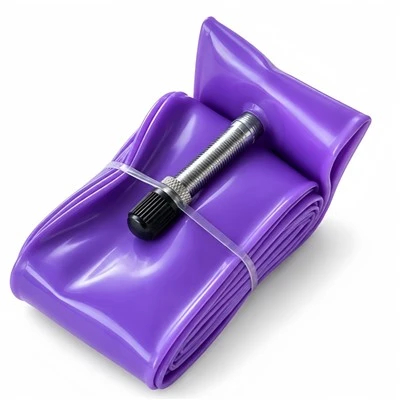
This matters because a TPU inner tube is not simply a piece of plastic film with a valve attached. The valve assembly usually combines different materials, including metal components and a bonded connection to the TPU body.
When exposed to excessive heat, the connection between these materials may become weaker. In certain circumstances, the bond can deform or fail, resulting in air leakage or complete valve separation.
Cycling Weekly reported on this issue on October 2, 2026, following reports of TPU valve failures associated with electric pump use.
This does not mean electric pumps are unsuitable for every TPU tube. It means that pump compatibility, inflation technique and valve construction deserve more attention than before.
2. How to Inflate a TPU Inner Tube Safely
Using an electric pump is not automatically dangerous. Most problems can be reduced by following a few practical precautions.
Avoid unnecessary continuous inflation
Small electric pumps can become hot quickly. Follow the pump manufacturer's operating and cooling instructions. If the pump requires a cooling interval, allow it to cool before using it again.
Check the pump head before connecting
Make sure the pump head is compatible with the valve type. A loose or poorly fitted connection can cause air leakage and unnecessary stress on the valve.
Do not pull or twist the valve
TPU valves should not be treated like a rigid metal extension. Avoid bending, twisting or applying sideways force while attaching or removing the pump head.
Inflate gradually
Use the pressure recommended for your tyre, rim and riding conditions. There is no benefit in inflating beyond the manufacturer's specified pressure range.
Inspect the valve after inflation
Check the valve base and surrounding TPU material for visible deformation, cracks or air leakage. If anything looks abnormal, replace the tube rather than risking a failure during a ride.
These precautions are useful whether you are using an electric pump, a CO₂ inflator or a conventional hand pump.
3. What Makes a TPU Inner Tube Valve Reliable?
Valve design is an important part of overall TPU inner tube performance. A lightweight tube may have excellent material properties, but a poorly constructed valve connection can compromise the entire product.
When evaluating a TPU bicycle inner tube, brands and distributors should consider several details.
Valve-to-tube bonding
The connection between the valve assembly and TPU material needs consistent bonding quality. Manufacturing processes should be controlled to minimise weak joints and inconsistent adhesion.
Valve material and construction
The valve assembly must be designed to withstand normal inflation pressure and everyday handling. Its structure should also account for the different thermal expansion characteristics of the materials involved.
Removable valve core
A removable Presta valve core can make maintenance easier and provide flexibility for certain inflation accessories. However, it does not automatically make a tube compatible with every electric pump or guarantee better heat resistance.
Full-threaded valve design
A fully threaded valve body can offer more flexibility when fitting valve extensions or securing compatible accessories. Buyers should still confirm the thread specification and accessory compatibility before ordering.
For OEM buyers, these details should be included in the product specification rather than treated as minor finishing options.
4. TPU Inner Tubes and the Growth of Modern Cycling Technology
The electric pump discussion is part of a wider change in cycling equipment.
Road and gravel riders increasingly value equipment that is lightweight, compact and easy to carry. TPU inner tubes fit naturally into this trend.
Compared with conventional butyl tubes, TPU models can offer substantial weight and storage-volume savings, making them attractive for performance-oriented riders.
At the same time, tubeless systems remain popular, particularly for gravel and mountain biking. Even riders who prefer tubeless setups often carry an inner tube as emergency backup.
Another development worth watching is the emergence of 32-inch bicycle wheels. In August 2026, Cycling Weekly reported on the launch of a 32-inch TPU inner tube as manufacturers and specialist brands began exploring this larger wheel platform.
These developments suggest that the market is moving beyond simply making tubes lighter. Valve compatibility, product durability, size availability and practical usability are becoming increasingly important.
For manufacturers, this creates opportunities to develop products around specific riding applications rather than relying on a single universal design.
5. What Should Bicycle Brands Check Before Buying TPU Inner Tubes?
For importers, wholesalers and private-label bicycle brands, product evaluation should go beyond weight and appearance.
Before placing an OEM or wholesale order, consider the following:
- Material consistency: Check whether the TPU film has consistent thickness and reliable physical properties.
- Valve bonding: Evaluate the strength and consistency of the valve-to-tube connection.
- Air retention: Conduct controlled inflation and air-retention tests.
- Pressure performance: Verify that the product performs within its declared operating specifications.
- Valve compatibility: Confirm Presta or Schrader type, valve length, thread design and removable-core options.
- Inflation compatibility: Test the tube with the intended pump accessories and follow the equipment manufacturer's operating limits.
- Application suitability: Match the construction to road, gravel, MTB or BMX requirements.
A reliable supplier should be able to provide clear product specifications and relevant quality inspection information.
For brands developing their own TPU tube range, sample testing under realistic conditions is particularly important before mass production.
6. Choosing the Right TPU Inner Tube for Your Product Range
There is no single TPU inner tube that suits every bicycle.
Road cyclists may prioritise low weight and compatibility with deep-section rims. Gravel riders often need wider tyre coverage and practical durability. MTB and BMX applications may require different wall constructions and valve configurations.
The right specification should balance weight, material performance, valve design and intended use.
At TUBENOX, we develop TPU bicycle inner tubes for Road, Gravel, MTB and BMX applications, with OEM and private-label options for international bicycle brands, distributors and wholesalers.
Available customisation can include tube dimensions, valve type, valve length, removable valve cores, full-threaded valve options and product packaging, subject to model requirements.
Our focus is not simply to make a lighter inner tube, but to help customers develop a product that works for its intended application.
Looking for a TPU inner tube supplier for your next bicycle product range?
Contact TUBENOX to discuss product specifications, samples and OEM/ODM cooperation.
Website: https://www.tubenox.com/
Email: jake@tubenox.com
Frequently Asked Questions
Q1: Can I use an electric pump with a TPU inner tube?
In many cases, yes. However, compatibility depends on the tube's valve construction and the pump design. Follow the pump manufacturer's instructions and avoid excessive heat or mechanical force.
Q2: Why can an electric pump damage a TPU valve?
Excessive heat may affect the bonded connection between the valve components and TPU material. Poor pump-head alignment and mechanical stress can also contribute to damage.
Q3: Is a removable valve core better for TPU inner tubes?
It offers maintenance and accessory flexibility, but does not automatically improve heat resistance. Overall valve construction and bonding quality remain important.
Q4: Are TPU inner tubes suitable for gravel and mountain bikes?
Yes. TPU tubes are available for different tyre widths and wheel sizes. Buyers should select a model specifically designed for their tyre dimensions and riding application.
Q5: What should importers check when sourcing TPU bicycle inner tubes?
Important factors include material consistency, valve bonding, air retention, pressure specifications, dimensional compatibility and quality inspection procedures.