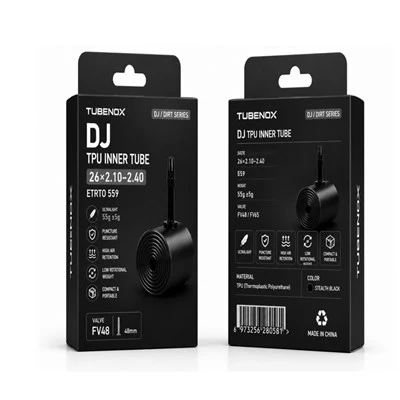
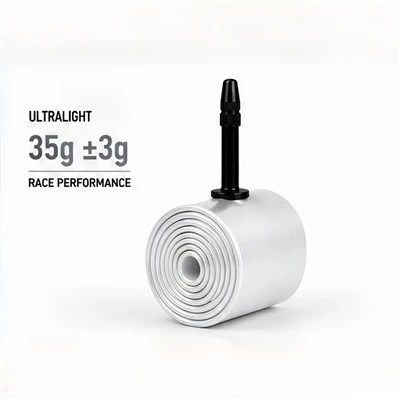
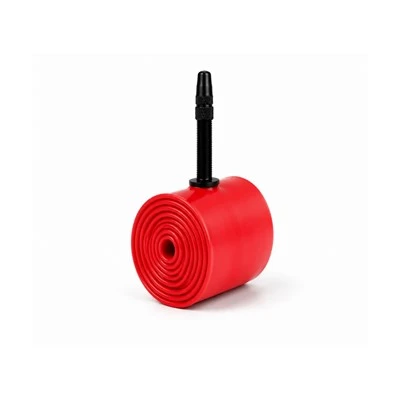
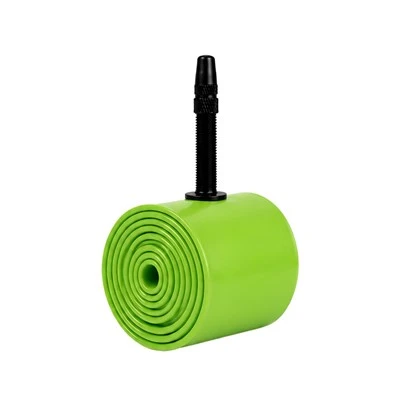
TPU bike inner tubes have exploded in popularity over the last few years, but buyers quickly learn not all bestsellers are built the same. If you browse Amazon listings, bike shop shelves and wholesale catalogs, you'll spot three clear product families dominating sales: ultra-light race tubes, durable gravel adventure tubes, and compact MTB emergency spares.
Many importers and brand owners fall for a simple trap: judging TPU tubes only by weight. The real difference between top-selling models and slow-moving stock lies in how manufacturers balance weight, film toughness, valve construction and real-world riding scenarios. This article breaks down those differences from a sourcing perspective.
Three Core Types of Best-selling TPU Tube Designs
Instead of grouping tubes by wheel size, we can sort global top sellers by their design priority. Each targets a distinct rider persona and solves a unique pain point.
Ultralight Race-Focused TPU Tubes
This is the most widely recognized TPU category. These are the featherweight options, commonly 28–34g for 700C road sizes. Brands build them for gran fondo participants, time trial riders and weight fanatics who want to cut rotational mass wherever possible.
The selling pitch is straightforward: fold tiny, barely adds bulk to a saddle bag, far lighter than butyl rubber. But this performance comes with compromises. The ultra-thin TPU membrane tears easily during installation if the mechanic is careless. They also carry higher snake-bite risk if riders run low tire pressure.
Top selling race SKUs tend to use reinforced valve base bonding even with the thin film. Cheaper copies cut corners here; thin film plus weak valve welding is the main reason for bad reviews and return spikes. These tubes sell well in single packs, and attract customers chasing marginal gains.
Best buyer match: Road race brands, premium bike shops, DTC stores targeting performance cyclists.
Anti Snake-Bite Balanced TPU Tubes (Gravel & Bikepacking Workhorse)
This is the fastest growing bestseller category in 2026. Gravel and bikepacking riders don't care about shaving every single gram. They want a tube that survives sharp rocks, roots and low-pressure wide-tire riding on remote trails.
These models sit in the 45–55g range. Manufacturers use a thicker TPU film, with extra reinforcement wrapped around the valve root to resist pinch flats. Many top selling gravel TPU tubes ship in 2-packs, a bundle format that converts extremely well for online retail.
Field feedback tells us bikepacking customers care most about consistent air retention and cold weather performance. Cheap TPU becomes brittle in freezing temperatures, which kills sales for North European and Canadian markets. This segment has less saturated competition than road ultra-light tubes, making it attractive for new brands.
Best buyer match: Adventure cycling brands, cross-border e-commerce sellers, touring bike retailers.
Compact Emergency Spare TPU Tubes for MTB
Most mountain bikers ride tubeless as their primary setup. They buy TPU tubes not for daily riding, but as a small, packable backup stashed in a backpack for trailside disasters. That shapes how these best-selling MTB tubes are engineered.
Popular MTB TPU models range 50–65g. There are two sub-types: lightweight trail spares, and thicker reinforced versions for enduro and rocky terrain. Aluminum valve stems are preferred here, because plastic stems crack easily under rough trail vibration.
A common complaint from end users: thin TPU will puncture quickly if rim tape is damaged or spoke holes are sharp. Successful sellers usually add this installation tip to their product listing, reducing negative reviews. These SKUs sell steadily, but rarely move in huge bulk compared with road and gravel lines.
Best buyer match: MTB accessory brands, bike park retailers, outdoor adventure distributors.
The 4 Hidden Features That Separate Winners from Generic TPU Copies
Consumers see only weight and price on the listing. As a buyer, these four points decide whether your product becomes a steady seller or a return headache.
1. TPU raw material & film thickness
Virgin TPU resin stays flexible across wider temperature ranges. Recycled or low-grade TPU gets stiff and cracks in cold weather. Film thickness defines the product's whole identity. Race models use ultra-thin film, gravel uses medium thickness, MTB spares use thicker membrane.
Manufacturers can hit the same weight spec with different quality resin. Two tubes showing identical 32g weight can perform completely differently once temperatures drop. That's why samples always need cold testing before mass orders.
2. Valve stem material + bonding quality
Valve leaks and separation account for the majority of bad customer feedback across all TPU tube categories.
Plastic valve stem: cheaper, lighter, higher risk of separation
Aluminum valve stem: stronger, vibration-resistant, usually with removable valve core
Bonding method beats valve material in importance. Top-selling products use heat fusion plus reinforced base. Budget white label tubes rely only on simple glue, which fails under repeated pressure and temperature shifts.
3. Air retention and repairability
TPU holds air far better than latex tubes, but not all TPU grades deliver equal air tightness.
A critical detail for listings: standard butyl rubber patches do not stick to TPU. Top selling consumer bundles add matching TPU repair patches. This small add-on improves customer satisfaction and reduces complaint rates.
4. Fold & packaging protection
Thin TPU can develop crease damage when folded tight and shipped by sea for weeks. Successful brands use protective folding methods and custom packaging to stop permanent creases from forming before the customer opens the package. Many generic manufacturers overlook this detail.
Price Tier Breakdown of Global TPU Tube Bestsellers
Budget white label bestseller Lowest entry price, ultra-light specs, plastic valves and simple glue bonding. These dominate marketplace platforms. They sell on price alone, but bring high return rates and poor long-term brand reputation. Not recommended for brands building loyal customers.
Mid-range balanced bestseller (highest volume) Virgin TPU film, optional aluminum valve, reinforced valve base, 100% pressure tested after production. This tier makes up the bulk of Amazon and bike shop sales. It strikes the sweet spot between margin, MOQ and real-world durability. This is where most successful private label brands focus their SKU lineup.
Premium high-performance models Like Tubolito and Schwalbe Aerothan, these use strict material certifications, heat-resistant TPU and advanced welding technology. Retail price is high, sales volume lower, profit margin strong. Targeted at pro riders and premium bike OEM partners.
Common Misconceptions That Trip Up New TPU Tube Buyers
Myth 1: The lighter the TPU tube, the better. Reality: Lighter = thinner film. Great for races, poor for rocky gravel trails. Pick weight based on rider use case, not just specs.
Myth 2: All TPU tubes can use tubeless latex sealant. Reality: Latex sealant will not bond properly on TPU film and can damage the tube material.
Myth 3: TPU tubes are easy to repair with regular patches. Reality: Only dedicated TPU patches work. This detail must be shown clearly on product pages.
Final Takeaway
Global best-selling TPU bicycle inner tubes don't win just by hitting a low weight number. They win by matching their design to a specific rider's use case. Ultralight road tubes serve racers; gravel tubes balance toughness and portability for adventure riders; MTB TPU tubes are built as reliable emergency backups.
For brands and distributors, the winning move is simple: don't try to sell one universal TPU tube for all riding types. Match each SKU to its audience, and prioritize valve bonding and raw TPU quality over chasing the lowest gram number.