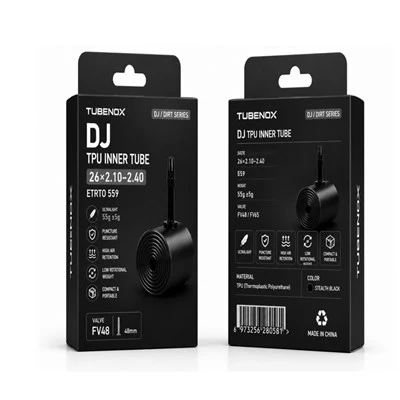
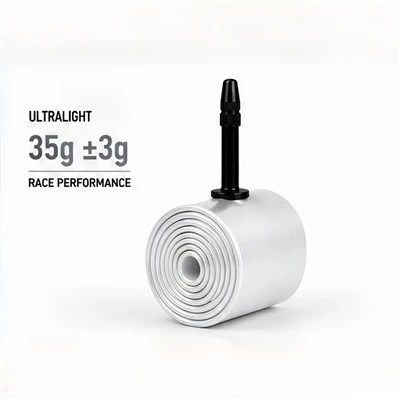
If you source ultralight TPU inner tubes for road, gravel, MTB or e-bike markets, you already know the biggest pain point: samples look perfect, but bulk stock arrives with hidden leaks, valve separation or seam cracks. Thin TPU film is far less forgiving than butyl rubber. Visual inspection alone is never enough.
At TUBENOX, our QC workflow is built specifically for thin-gauge TPU construction, not copied from old butyl tube standards. Below are the core tests professional suppliers should complete for every production batch.
1. Initial Visual & Dimensional Inspection
Before any pressure test, every finished tube goes through visual screening. Inspectors look for tiny pinholes, weld burrs, uneven seam fusion, surface scratches, or black specks from unmelted TPU pellets. These micro-defects often do not leak immediately but fail after repeated flexing.
We also verify critical dimensions: flat length, tube width, valve stem length and wall thickness. Tolerance control matters greatly for bulk orders. A slight thickness variation changes burst pressure and air retention, especially for ultralight road TPU tubes.
2. Water Bath Airtightness Test
This is the foundational test every serious TPU tube factory cannot skip. Tubes are inflated to their rated working pressure and fully submerged in clean water. QC staff check for bubble formation at three high-risk zones: the main tube body, welded seam, and valve base joint. The valve-to-TPU bond is the #1 failure spot for cheap TPU tubes.
Many low-cost factories skip full submersion and only do a quick pressure gauge check. That method misses slow seepage that only shows up underwater.
3. Long-Term Air Retention / Static Pressure Hold Test
A tube that passes the water bath test can still lose air overnight, which is a top complaint from retailers and riders. We sample random pieces from each lot, inflate them to standard pressure, and store them in a stable temperature chamber for 96–120 hours. At set intervals, technicians record pressure drop. If pressure loss exceeds our internal threshold, the whole batch gets reworked.
This test simulates real inventory storage, warehouse cycles and container transit, not just a quick pass-or-fail check.
4. Valve Stem Pull Force Test
Valve detachment is one of the costliest bulk claims for TPU tube importers. Samples are clamped and pulled at a constant rate to measure the force required to separate the valve base from the TPU film. The test validates welding or adhesive bonding consistency across different valve types: Presta, Schrader, short and long valve stems.
Aluminum valves and copper-base valves behave differently under pull force, so TUBENOX adjusts the standard for each SKU instead of using one fixed value.
5. Temperature Cycle & Thermal Aging Test
TPU is sensitive to heat and humidity inside shipping containers. Long sea freight can push internal box temperatures above 60°C, weakening seams and accelerating hydrolysis over time.
Our thermal cycling test alternates high and low temperatures to mimic container shipping and cold winter riding. After cycling, tubes repeat the air retention check. This separates stable ether-based TPU from inferior ester-based raw material that ages quickly in hot humid environments.
6. Folding Fatigue / Flex Resistance Test
Retailers fold TPU tubes tightly for packing. Riders also flex them repeatedly during installation and riding. Cheap TPU develops invisible micro-cracks along fold lines.
We run automated repeated folding cycles on sampled tubes, then recheck for leaks. This is critical for ultralight models with ultra-thin walls. It answers a key buyer question: can this tube survive repeated folding without cracking before it even gets installed into a tire?
7. Burst Pressure Safety Test
Burst testing sets the upper safety limit. Tubes are slowly pressurized until rupture, recording burst pressure value. The result confirms the raw TPU film strength and seam integrity.
We do not design TPU tubes to run near burst pressure, but this test rules out material flaws and weak welds that create sudden blowout risks for road and e-bike applications.
8. Weight Consistency Check
Weight control is not just a marketing number for lightweight buyers. Consistent weight equals consistent wall thickness. Each SKU has a defined weight window. If samples drift too far outside tolerance, it signals unstable film extrusion, which creates uneven durability across the batch.
Why Many TPU Suppliers Skip These QC Steps
Full testing adds cycle time and production cost. Many Chinese factories only do a fast water bubble check and skip sampling for aging, pull force and fatigue. For small one-off orders this may seem acceptable, but for importers ordering pallets for Amazon, local bike shops or distribution networks, hidden batch defects create expensive returns and brand damage.
TUBENOX QC Pack for Bulk Buyers
For every container order, we provide batch test records covering:
- Airtightness sampling log
- Valve pull force results
- Pressure hold retention data
- Weight and dimension statistics
Buyers can request third-party lab inspection on selected batches if required for their local market.
FAQ
Can visual inspection replace pressure testing for TPU inner tubes?
No. Most slow leaks and seam weaknesses are invisible to the naked eye on thin TPU film. Submersion and static hold tests are mandatory.
What is the most common failure point of TPU bike inner tubes?
The valve base weld joint. Poor bonding will pass initial checks and separate after heat exposure or rough installation.
Do road, gravel and MTB TPU tubes use the same QC standards?
No. MTB and e-bike tubes have higher impact and heat requirements, so our fatigue and thermal test thresholds are adjusted accordingly.
Final Takeaway
Light weight is the selling point of TPU inner tubes, but consistent quality is what keeps your repeat orders coming. Reliable QC is not one single check, but a layered system covering inline full inspection + destructive and non-destructive batch sampling.
When you evaluate a new TPU tube manufacturer, ask them specifically about these 8 tests, not just "is your product good quality."
Contact TUBENOX for sample testing and custom TPU inner tube specifications for your bike brand or wholesale catalog.