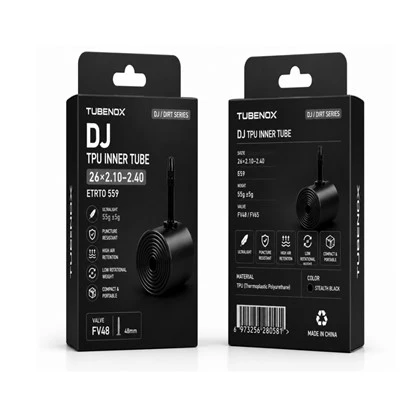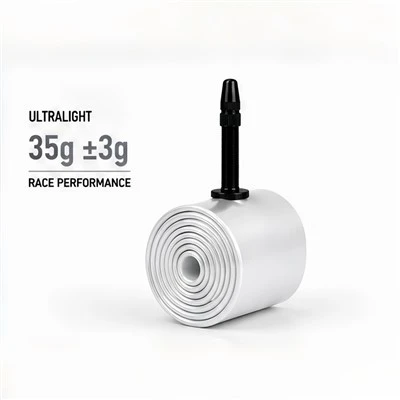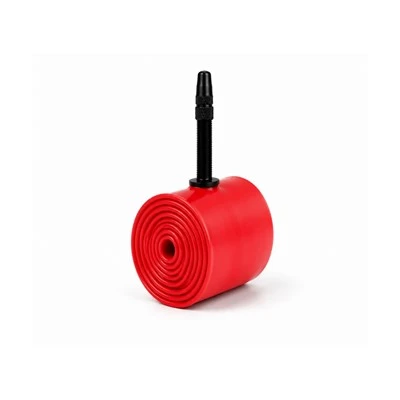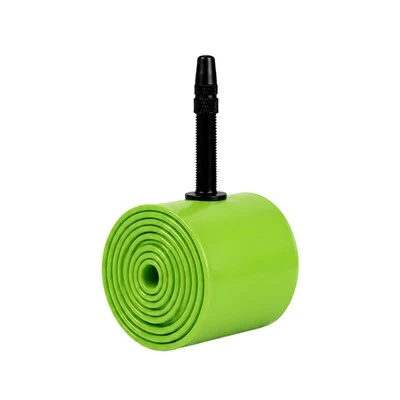
A few years ago, if you mentioned TPU inner tubes at a local bike shop, chances are only racers and gear enthusiasts knew what you were talking about.
Today, that's changed.
Whether you're riding road, gravel, mountain bike trails, or even BMX, you've probably noticed TPU tubes showing up everywhere. They aren't just another cycling trend. More riders are carrying them as spares, replacing traditional butyl tubes, and in some cases even choosing them over latex.
So what's driving the shift?
The answer isn't just weight savings. While TPU tubes are famously lightweight, that's only part of the story.Let's take a closer look at what TPU inner tubes actually are, where they make sense, and whether they're worth adding to your bike setup.
First Things First: What Does TPU Mean?
TPU stands for Thermoplastic Polyurethane, a highly engineered material known for combining flexibility, strength, and durability.
Outside cycling, TPU is used in products that need to handle repeated stress without breaking down. You'll find it in sports equipment, outdoor gear, automotive components, and even medical devices.
For bicycle inner tubes, TPU offers something traditional rubber struggles to achieve:
High strength with very little material.
That means manufacturers can create tubes that are dramatically lighter and more compact without sacrificing everyday functionality.
At first glance, a TPU tube might not look revolutionary.
But the moment you pick one up, the difference becomes obvious.
The First Thing Most Riders Notice
It's not speed.
It's size.
The first time I handled a TPU tube, my immediate reaction wasn't "this will make me faster."
It was:
"That's it?"
Compared to a standard butyl tube, a TPU tube often folds down to a fraction of the size.
For anyone who rides long distances, races, or packs light for bikepacking trips, that matters.
A spare tube that takes up less space means:
More room in saddle bags
Less weight in jersey pockets
Easier packing for events and travel
This is one of the reasons TPU tubes gained popularity long before many riders started discussing rolling resistance or performance gains.
They're simply convenient.
How Is a TPU Tube Different From a Traditional Tube?
For decades, butyl rubber has been the default choice for bicycle inner tubes.
It's inexpensive, durable, and easy to manufacture.
TPU changes the equation.
Instead of relying on thick rubber walls to hold air, TPU uses a stronger and more advanced material structure.
The result is a tube that can achieve similar performance with significantly less material.
Here's a simple comparison:
|
Feature |
TPU Tube |
Butyl Tube |
|
Weight |
Very Light |
Standard |
|
Pack Size |
Extremely Compact |
Larger |
|
Ride Feel |
Responsive |
Traditional |
|
Air Retention |
Very Good |
Excellent |
|
Price |
Higher |
Lower |
|
Performance Focus |
High |
Moderate |
The exact numbers vary by model, but it's not unusual for a TPU road tube to weigh less than half of a comparable butyl tube.
That's a meaningful difference when the weight is rotating with every wheel revolution.
Why Rotating Weight Matters
Cyclists often spend thousands of dollars trying to save a few hundred grams.
Carbon wheels.
Lightweight cranksets.
High-end cassettes.
Yet many overlook one of the simplest places to reduce rotating mass: the inner tube.
Weight located in the wheel has a greater impact on acceleration than weight located elsewhere on the bike.
Does that mean installing TPU tubes instantly transforms your ride?
No.
But many riders describe the bike as feeling more responsive, particularly during climbs, accelerations, and repeated changes in pace.
The effect isn't dramatic enough to turn a weekend rider into a professional racer.
It's simply one of those upgrades that contributes to a more refined riding experience.
Are TPU Tubes Only for Road Bikes?
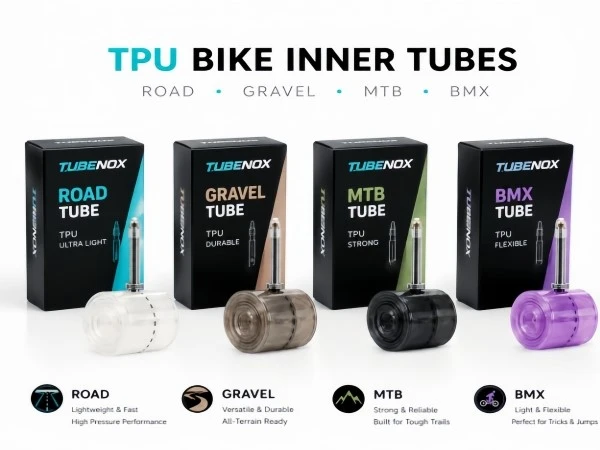
Not anymore. When TPU tubes first appeared, they were primarily marketed to road cyclists. That has changed significantly. Today, TPU tubes are available for:
Road Bikes
Popular among riders chasing lower weight and improved efficiency.
Gravel Bikes
A favorite option for riders who need a lightweight spare tube that doesn't consume valuable storage space.
Mountain Bikes
Modern reinforced TPU designs have made them increasingly common in XC, trail, and even some enduro setups.
BMX Bikes
Lightweight construction and compact storage make TPU an attractive choice for riders who want to carry fewer grams without sacrificing reliability.
The technology has matured enough that it's no longer limited to a niche audience.
Are TPU Tubes Only for Road Bikes?
Not anymore.
When TPU tubes first appeared, they were primarily marketed to road cyclists.
That has changed significantly.
Today, TPU tubes are available for:
Road Bikes
Popular among riders chasing lower weight and improved efficiency.
Gravel Bikes
A favorite option for riders who need a lightweight spare tube that doesn't consume valuable storage space.
Mountain Bikes
Modern reinforced TPU designs have made them increasingly common in XC, trail, and even some enduro setups.
BMX Bikes
Lightweight construction and compact storage make TPU an attractive choice for riders who want to carry fewer grams without sacrificing reliability.
The technology has matured enough that it's no longer limited to a niche audience.
What About Durability?
This is usually the next question.
And it's a fair one.
When people hear "lighter," they often assume "less durable."
That assumption made sense years ago when early TPU products were still evolving.
Today's TPU tubes are a different story.
Manufacturers have made major improvements in:
Material consistency
Seam construction
Valve reinforcement
Production precision
That doesn't mean TPU tubes are indestructible.
No inner tube is.
But modern TPU tubes are more than capable of handling everyday riding when properly installed and paired with the correct tire size.
In fact, many riders use them year-round without thinking about them at all-which is probably the best compliment an inner tube can receive.
TPU vs Latex: A Different Conversation
Latex tubes have long been associated with performance.
They're known for their low rolling resistance and supple ride feel.
But they come with compromises.
Anyone who has used latex tubes knows the routine:
Pump them today.
Pump them again tomorrow.
And probably again before the next ride.
TPU offers a different balance.
While every product is different, TPU tubes generally provide:
Better air retention than latex
Easier maintenance
Similar weight advantages
Improved practicality for everyday use
For many riders, that combination is what makes TPU appealing.
They want performance-but not constant maintenance.
Why Cycling Brands Are Paying Attention
From a business perspective, TPU tubes have become one of the fastest-growing categories in bicycle accessories.
Consumers increasingly look for products that are:
Lightweight
Compact
Easy to carry
Performance-focused
As a result, more distributors and cycling brands are adding TPU products to their portfolios.
We're also seeing increased demand for:
Private-label TPU tubes
Custom colors
Custom packaging
Market-specific product designs
For emerging cycling brands, TPU tubes often represent an opportunity to enter a growing category without competing directly against established tire manufacturers.
Are TPU Tubes Worth the Extra Cost?
That depends on what you value.
If your only priority is buying the cheapest possible inner tube, butyl remains difficult to beat.
But if you care about:
Reducing bike weight
Saving storage space
Carrying a smaller spare
Improving ride efficiency
Using newer cycling technology
Then TPU tubes become much easier to justify.
Many riders who switch don't necessarily do so because they're chasing race results.
They do it because the overall experience feels cleaner, lighter, and more convenient.
Final Thoughts
The popularity of TPU inner tubes isn't happening by accident.
They're solving real problems for modern cyclists.
A TPU tube won't magically make you faster. It won't replace good training or perfect bike fit. And it certainly won't eliminate every flat tire.
What it does offer is a practical combination of low weight, compact storage, and dependable performance that fits the way many cyclists ride today.
Whether you're preparing for a road event, packing for a gravel adventure, carrying a spare for mountain bike rides, or developing your own cycling product line, TPU tubes have earned their place in the conversation.
And judging by the direction of the cycling industry, they're likely here to stay.