Gravel cycling is no longer a small category positioned between road and mountain biking. It has developed its own racing calendar, bike designs, tire ranges, luggage systems and retail audience. At the same time, bikepacking has moved lightweight, space-efficient equipment from a racing concern to an everyday purchasing priority.
The shift is visible at both the event and product levels. The UCI Gravel World Series grew from 11 rounds in 2022 to 33 events across 21 countries in 2025, while the 2026 season continues to connect established and emerging gravel markets. Bike manufacturers are also giving riders wider tire clearance, more mounting points and integrated storage for tools and spares.
For inner tube brands, distributors and retailers, this creates a specific opportunity. Riders may use a tubeless setup, conventional tubes or a mix of both, but they still need a reliable way to recover from a puncture that sealant or a plug cannot solve. A compact TPU spare tube fits that role particularly well.

Market Overview: Adventure Riding Changes What Cyclists Carry
Road riders traditionally carried a tube in a jersey pocket or small saddle bag. Gravel and bikepacking riders face a more varied situation. Their route may include broken pavement, forest roads, hard-packed gravel, loose rock and long sections without a nearby bike shop.
The equipment list is therefore broader: tire plugs, a pump or CO₂ inflator, tire levers, a multitool, food, extra clothing, electronics and sometimes camping gear. Every item competes for limited space.
This is why packed volume matters almost as much as weight. A spare that can be rolled into a compact cylinder leaves more room for other essentials and can be stored in a frame bag, tool roll, down-tube compartment or jersey pocket. The product benefit is easy for riders to understand and easy for retailers to demonstrate.
The same trend appears in long-distance events. The 2026 Tour Divide covers roughly 2,700 miles from Canada to Mexico, and published bike roundups show how carefully participants select and position every piece of equipment. Not every customer will ride an ultra-endurance race, but many use similar packing logic for weekend gravel routes and self-supported tours.
Why a Spare Tube Still Matters in the Tubeless Era
Tubeless systems are common in gravel cycling because they can seal some small punctures and allow riders to adjust tire pressure for different surfaces. However, tubeless does not remove every failure scenario.
A larger cut, damaged valve, unseated bead or dried sealant can leave the rider unable to continue with plugs alone. In those cases, fitting an inner tube remains one of the most practical recovery options. The spare tube is therefore not necessarily the primary air system; it is an insurance product carried for the moment when another repair method is not enough.
This distinction is important for marketing. Brands do not need to position TPU tubes as being "against" tubeless. A more credible message is that a compact TPU tube complements a modern gravel repair kit.
That approach also broadens the addressable market. The same product can appeal to riders who normally use tubes and to tubeless riders who want an emergency backup.
Why TPU Fits the Gravel and Bikepacking Use Case
TPU inner tubes offer several characteristics that align with adventure riding, but the value proposition should remain practical rather than exaggerated.
Compact Packed Size
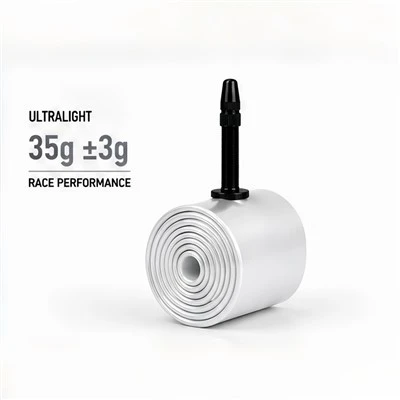
When fully deflated and rolled correctly, a TPU tube occupies much less storage space than a typical butyl tube for the same tire category. This is particularly useful as gravel tires become wider, because conventional spare tubes also become bulkier.
Lower Carry Weight
A single weight saving may appear small when viewed in isolation. Bikepacking riders, however, make dozens of decisions about tools, clothing and storage. Reducing the size and weight of a necessary backup item supports the overall packing strategy without removing repair
capability.
Clear Product Identification
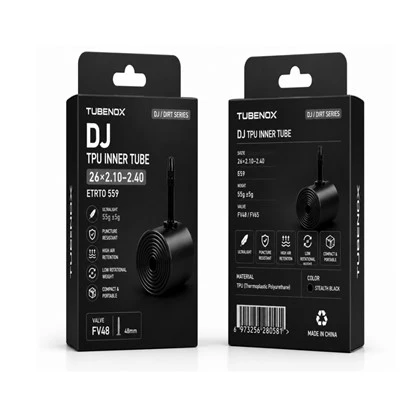
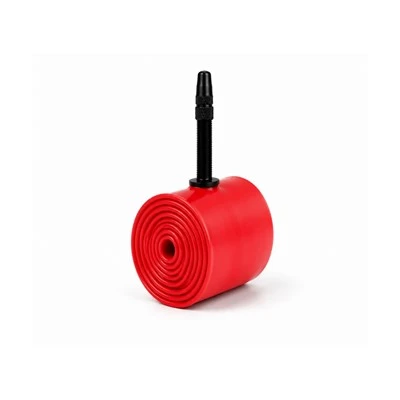
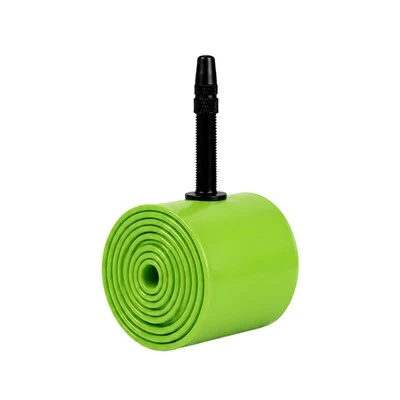
TPU tubes can be developed in distinct colors, valve lengths and labeled packages. For a multi-model retail program, those visible differences can help customers and warehouse teams separate road, gravel and MTB versions.
Suitable for Retail Bundles
The compact format works well in repair kits, saddle-bag sets, bike-delivery packs and branded accessory bundles. A bicycle brand can include a correctly sized spare with a new gravel bike, while a retailer can combine it with tire levers and inflation products.
TPU is not automatically the right choice for every rider or every budget. It also requires careful installation and correct sizing. The strongest commercial proposition comes from matching the product to the intended use rather than relying on a generic "lighter is always better" claim.
Tire Width Is Expanding the Gravel Tube Category
Gravel bikes now cover a wide range of tire sizes. Some remain close to endurance road bikes, while others use widths that overlap with cross-country mountain bikes. As a result, a single "700C gravel tube" label may be too vague.
For OEM product planning, brands should define the actual ETRTO or tire-width range for each model. Common development ranges can include:
700×32–45C for mixed road and light gravel use
700×35–45C for general gravel riding
700×40–50C for wider adventure and rough-surface setups
TUBENOX gravel models in these ranges can be developed around a target weight of approximately 46 g, subject to the final tire range, valve and agreed tolerance. The goal is not to stretch one tube across the widest possible claim. A controlled compatibility range gives the rider clearer information and gives the supplier a more realistic performance target.
Brands with both gravel and MTB lines should also decide where one category ends and the other begins. A 29-inch MTB tube may share the same bead-seat diameter as a 700C tube, but tire volume and expected use can be very different.

Valve Choice Must Match Modern Gravel Wheels
Valve length is an important part of the product specification. Many gravel wheels use deeper carbon or aerodynamic rims than earlier adventure bikes, while others use shallow aluminum rims designed for durability and easy service.
A valve that is too short may be difficult or impossible to connect to a pump. A valve that is much longer than necessary adds cost and can look poorly matched to the wheel.
For private-label projects, the buyer should confirm:
- Presta or Schrader valve
- Required valve length
- Rim depth and minimum exposed valve length
- Fixed or removable valve-core requirement
- Valve color and cap style
- Pump and inflator compatibility
TUBENOX can support model-specific Presta valve options, including 45, 48, 65 and 85 mm for selected tube constructions. In many gravel programs, 65 mm provides useful coverage, but it should not be treated as a universal answer. The final choice must follow the target wheel setup.
The Retail Opportunity Goes Beyond One Tube
Compact spare tubes give brands several merchandising options. The most direct is a single replacement tube in a small retail box. Other possibilities include a two-tube endurance pack, an emergency repair kit or a bikepacking bundle.
For distributors, a clear product ladder can improve ordering and inventory management:
- Road compact spare tube
- Gravel compact spare tube
- Wide gravel or light MTB spare tube
- MTB trail spare tube
Each model should use an obvious size code, valve code and package color or graphic element. A customer standing in a bike shop should not have to study fine print to understand which box fits a 700×40C tire and which one is intended for a 29×2.4 tire.
Online listings need the same clarity. Product titles, specification tables, box artwork and barcode records should use consistent size language. Mixing nominal tire sizes with incomplete valve information is a common source of returns and support questions.
What Bicycle Brands Should Ask an OEM Supplier
A successful gravel tube program needs more than a lightweight sample. Before approving production, buyers should confirm the following points:
Compatibility Range
The approved specification should list the intended tire or ETRTO range. Overly broad claims may look attractive in a catalog but can create installation and inflation problems.
Weight Tolerance
The target weight should include a realistic production tolerance. Buyers should compare batch consistency rather than selecting a supplier based on the lightest individual sample.
Valve Assembly
The valve base and tube connection are critical areas. Sample approval should include visual inspection, inflation and pressure-retention checks.
Installation Instructions
TPU tubes should be installed with care. Packaging or an enclosed instruction sheet should tell riders to add only enough air for the tube to take shape before fitting, avoid twisting or pinching, check the valve position and never inflate the tube outside the tire beyond the supplier's stated limit.
Packaging Accuracy
The tube, inner label, retail box and shipping carton should all show the same tire range and valve length. This is especially important when an order includes several similar models.
Repeat-Order Control
The supplier should retain an approved sample and product specification. Material, valve or packaging changes should be confirmed before they enter a repeat production run.
TUBENOX OEM Solutions for Gravel and Adventure Brands
TUBENOX works with bicycle brands, distributors, wholesalers and retailers on road, gravel, MTB and BMX TPU inner tube programs. For gravel projects, development can cover tire range, tube construction, target weight, valve type and length, tube color, logo and private-label packaging.
The process starts with the target market rather than a generic tube. A gravel racing brand may prioritize the smallest possible repair kit, while a bikepacking distributor may need broader tire coverage, stronger model identification and packaging designed for retail education.
Samples allow the buyer to check fit, handling, valve compatibility and packed size before production. Once the product is approved, a shared specification helps keep the tube and packaging aligned across future orders.
Frequently Asked Questions
1. Is a TPU inner tube suitable as a spare for a tubeless gravel setup?
Yes. It can be carried as an emergency backup when sealant or a tire plug cannot repair the damage. The tube size and valve must match the tire and rim.
2. Why is packed size important for bikepacking?
Frame bags and tool storage have limited space. A compact spare leaves more room for food, clothing, tools and other repair items.
3. Can one TPU tube fit every 700C gravel tire?
No. Bead-seat diameter alone is not enough; tire width and volume also matter. Choose a tube with a clearly stated compatibility range.
4. What gravel tube sizes can TUBENOX develop?
Available development ranges include 700×32–45C, 700×35–45C and 700×40–50C, subject to final specification confirmation.
5. Which valve length is best for a gravel bike?
It depends on rim depth. Shallow rims can use shorter valves, while deeper rims require more length so a pump can connect securely.
6. Can TPU spare tubes be included in a branded repair kit?
Yes. Private-label projects can combine a compact tube with custom retail packaging or a broader accessory bundle, subject to the agreed order requirements.
7. Does a lighter tube always mean better quality?
No. Weight should be considered together with wall consistency, valve reliability, air retention, installation tolerance and the intended tire range.
8. Should the retail package include installation guidance?
Yes. Clear instructions reduce avoidable installation damage and help customers understand the differences between TPU and conventional butyl tubes.
A Small Product with Growing Strategic Value
Gravel cycling and bikepacking are changing how riders evaluate every item they carry. A spare tube is no longer judged only by whether it fits the tire. Packed volume, weight, valve compatibility, labeling and integration with the complete repair kit now influence the buying decision.
For bicycle brands and distributors, compact TPU spare tubes offer a practical way to respond to this shift. The opportunity is strongest when the product range uses honest compatibility claims, clear model separation and packaging that explains the use case.
Contact TUBENOX to discuss gravel TPU inner tubes, OEM specifications, wholesale pricing and private-label packaging for your market.