Tubeless is a big part of road cycling now. But it's not the only way to ride fast and light.
In 2026, more riders are taking a second look at inner tubes - TPU ones in particular. The reason is practical: they want performance without the installation work and upkeep that tubeless setups demand.
That doesn't mean tubeless is going away. Riders just have more choices now, and many are picking the setup that fits how they actually ride.
Tubeless Has an Upkeep Cost
A tube-type setup is easy to understand: tire, tube, rim. Puncture a tube on a ride and you can usually swap it at the roadside with basic tools.
Tubeless brings real benefits - grip, comfort, self-sealing small punctures - but it also asks for a lot:
- Tubeless-ready tires and rims
- Sealant, plus regular top-ups
- Rim tape installed correctly
- Careful first installation
- Periodic sealant checks
- Cleaning when sealant dries or leaks
If you work on your own bikes a lot, none of that is a big deal. If you're an occasional rider, run a rental fleet, or just want maintenance you can handle without a workshop, an inner tube still wins on simplicity.
TPU Changed the Tube Option
The renewed interest in inner tubes tracks one development: TPU.
Butyl tubes are cheap and dependable. They're also heavy and bulky in a saddle bag. TPU lets manufacturers make tubes far thinner and lighter.
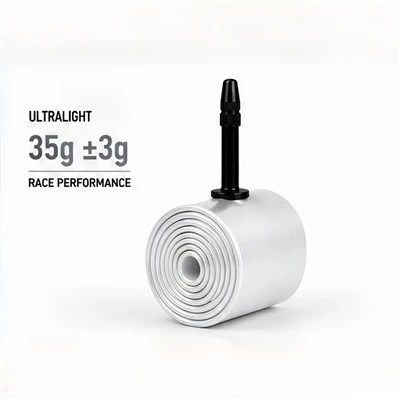
Depending on size and construction, a TPU road tube often lands around 20–40 grams. That's rotating weight you can drop without touching the wheels - no expensive component upgrade needed.
TPU tubes also fold down small, compact enough that carrying one as an emergency spare stops being a burden.
Even Tubeless Riders Carry a Tube
This is the part that surprises people: plenty of tubeless riders still pack an inner tube.
Sealant closes a lot of small punctures. It can't fix everything. A bigger cut, a damaged valve, or a serious loss of air will still leave you installing a tube.
Because TPU tubes are so compact, riders can carry one without emptying their saddle bag. That creates demand from two directions - riders who run tubes full-time, and tubeless riders who want a lightweight emergency spare.
Performance Without the Maintenance
Rolling resistance tests keep showing that tube material and construction matter. A good TPU tube performs competitively while staying lighter than most butyl options.
How much difference you feel depends on the usual variables:
- Tire model and width
- Tube construction
- Inflation pressure
- Rider weight
- Rim design
- Road surface
- How well the tube is installed
For most buyers the practical takeaway is simple: swap the tube, keep the wheels, get a lighter bike.
Where TPU Tubes Fit Best
- Road racing. Ultralight TPU tubes cut wheel weight and slip easily into a jersey pocket or saddle bag for training and race day.
- Endurance riding. Reinforced TPU constructions balance weight, durability, and everyday reliability better than a featherweight model.
- Gravel. Compact spares are a real help on long routes with no support nearby. Just match the tube to the actual width of your gravel tire.
- Mountain biking. TPU saves room in a pack, but MTB riders need tubes built for larger tire volumes - not road sizes.
- BMX. Wheel diameter matters more than people expect: two "20-inch" tires aren't always on the same rim standard.
Installation: Handle Them Gently
TPU tubes are thin, and thin means they need care on install:
- Confirm tube and tire size before you start
- Check inside the tire for glass, wire, or sharp debris
- Don't twist or fold the tube as it goes in
- Add only a little air before positioning it
- Keep tire levers away from the tube
- Follow the stated maximum inflation pressure
- Use a TPU-compatible patch if you need to repair one
One more thing: electric pumps run hot. Follow the manufacturer's recommendations and avoid letting heat build up around the TPU valve area.
What This Means for Bike Brands
More interest in TPU means more room in the aftermarket. For brands, retailers, and distributors, a private-label TPU tube is a fairly straightforward product to build out:
- Tire size
- Tube weight
- Valve type and length
- Tube color
- Valve color
- Printed logo
- Retail box
- Repair kit
- Multi-piece packaging
Keeping the lineup clear helps buyers too. A simple Ultralight / Endurance / Gravel split makes the difference obvious at a glance, instead of a wall of similar-sounding SKUs.
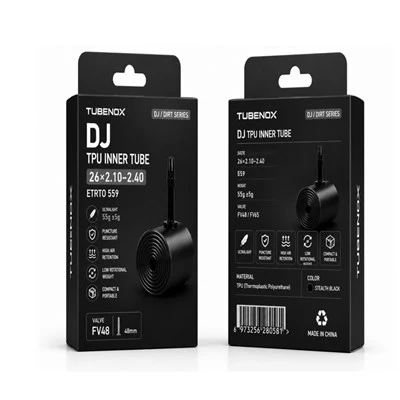
TUBENOX makes TPU inner tubes for road, gravel, MTB, and BMX. We support custom specifications, private-label branding, and retail packaging for global bicycle brands and distributors.