Choosing a bicycle inner tube requires more than matching a label such as 20-inch, 27.5-inch or 700C. Buyers need to confirm the rim diameter, tire width, valve type and valve length before ordering.
This guide explains how bicycle tube sizing works and how to avoid common compatibility problems across road, gravel, MTB and BMX applications.
The Three Specifications That Must Match
A bicycle inner tube normally needs to match three basic specifications:
Wheel or rim diameter
Tire-width range
Valve type and length
The wheel diameter must match exactly. Tire width offers some flexibility because one tube can normally cover a stated range of widths.
For example, a tube marked 700×18–32C, FV65 is designed for compatible 700C wheels fitted with tires between 18mm and 32mm wide, using a 65mm Presta valve.
Where to Find the Tire Size
The tire size is normally moulded or printed on the tire sidewall. Depending on the brand and market, it may appear in several formats:
700×25C
29×2.40
27.5×2.10
20×1.50
25-622
40-584
The first formats use traditional inch or French sizing. The final two examples follow the ETRTO system.
If several numbers appear on the tire, look for the measurement containing both the tire width and rim diameter.
Understanding ETRTO Tire Sizes
ETRTO sizing provides one of the most reliable ways to match a tire, rim and inner tube. It uses two numbers separated by a hyphen.
For example:
25-622
25 indicates the approximate inflated tire width in millimetres.
622 indicates the tire's bead seat diameter in millimetres.
The bead seat diameter, or BSD, is the diameter where the tire bead sits against the rim. This measurement is more dependable than a general wheel name such as 20-inch or 28-inch.
Common Bicycle Wheel Diameters
| Common wheel name | ETRTO bead seat diameter | Typical applications |
|---|---|---|
| 20-inch BMX | 406mm | BMX, folding and junior bikes |
| 20-inch BMX Race | 451mm | Narrow-tire BMX race bikes |
| 26-inch | 559mm | MTB, city and touring bikes |
| 650B / 27.5-inch | 584mm | MTB, gravel and adventure bikes |
| 700C / 29-inch | 622mm | Road, gravel, hybrid and MTB |
| 650C | 571mm | Some road, triathlon and junior race bikes |
The same bead seat diameter can appear under different commercial wheel names. For example, both 700C road wheels and 29-inch mountain bike wheels normally use a 622mm bead seat diameter. Their tire widths, however, are very different.
Why the Advertised Wheel Size Can Be Misleading
Traditional wheel names do not always describe the rim diameter accurately.
A 20-inch wheel may use a 406mm or 451mm rim. Both are called 20-inch, but the two sizes are not interchangeable.
Similarly:
700C and 29-inch commonly use a 622mm rim.
650B and 27.5-inch commonly use a 584mm rim.
650C uses a different 571mm rim.
Some less common 20-inch tires use standards other than 406 and 451.
For this reason, the ETRTO number should be checked whenever there is uncertainty.
How to Match the Inner Tube to the Tire Width
Inner tubes stretch within a limited range, so manufacturers normally specify a minimum and maximum compatible tire width.
Examples include:
700×18–28C
700×32–45C
27.5×2.10–2.40
29×2.40–2.80
20×1.50–1.75
The tire width should fall within the complete range printed on the tube.
A 700×18–28C tube can be used with a compatible 25C or 28C tire, but it should not automatically be used in a 40C gravel tire. Stretching the tube beyond its intended range can reduce wall thickness and place additional stress on its seams and valve connection.
Using a tube that is much wider than the tire can also create problems. Excess material may fold inside the casing and become trapped during installation.
Road Bike Inner Tube Sizes
Most modern road bikes use 700C wheels with a 622mm bead seat diameter. Common tire widths include:
23C
25C
28C
30C
32C
A 700×18–32C tube can cover several popular road tire sizes, provided that its valve is compatible with the rim.
Some smaller road, triathlon and junior race bikes use 650C wheels. These commonly have a 571mm bead seat diameter and must not be confused with 650B wheels.
Road Tube Example
Tire marking: 28-622 / 700×28C
Required tube:
622mm-compatible diameter
Width range covering 28mm
Presta valve long enough for the rim
Gravel Bike Inner Tube Sizes
Gravel bikes commonly use 700C or 650B wheels with wider tires than road bikes.
Typical 700C gravel tire widths include:
32C
35C
38C
40C
45C
50C
Common TPU gravel tube ranges may include:
700×32–45C
700×35–45C
700×40–50C
A tire marked 40-622 requires a tube that matches the 622mm rim diameter and includes 40mm within its stated width range.
Some gravel bikes use 650B wheels, particularly when fitted with higher-volume tires. A 650B tube must match the 584mm rim diameter.
Mountain Bike Inner Tube Sizes
Mountain bike tubes are commonly described using inches.
Typical examples include:
26×1.75–2.125
27.5×2.10–2.40
29×2.00–2.30
29×2.40–2.80
The common diameter relationships are:
26-inch MTB: 559mm
27.5-inch MTB: 584mm
29-inch MTB: 622mm
Although 29-inch MTB and 700C road wheels share the same 622mm bead seat diameter, a narrow road tube is unsuitable for a wide 29-inch mountain bike tire. Both diameter and width must match.
MTB Tube Example
Tire marking: 62-622 / 29×2.40
Required tube:
622mm-compatible diameter
Width range that includes approximately 2.40 inches or 62mm
Suitable valve length and type
BMX Inner Tube Sizes: 406 vs 451
BMX sizing requires particular attention because "20-inch" does not identify a single rim diameter.
406 BMX Wheels
The 406 standard is widely used for BMX freestyle, BMX race, street, park and dirt-jump bikes. Tire widths vary considerably, from narrow race tires to wider freestyle models.
Common examples include:
20×1.50–1.75
20×1.75–1.95
20×1.95–2.50
451 BMX Wheels
The 451 standard is normally associated with narrow BMX racing tires and certain junior race-bike setups.
Examples include:
20×1-1/8
20×1-3/8
A 406 tube cannot be stretched onto a 451 rim safely. A 451 tube will also be too large for a 406 rim. Always check the ETRTO marking rather than relying only on the 20-inch description.
Choosing the Correct Valve Type
The two most common bicycle inner tube valves are Presta and Schrader.
Presta Valve
Presta valves are narrow and commonly used on:
Road bikes
Gravel bikes
Performance mountain bikes
BMX race bikes
Lightweight wheel systems
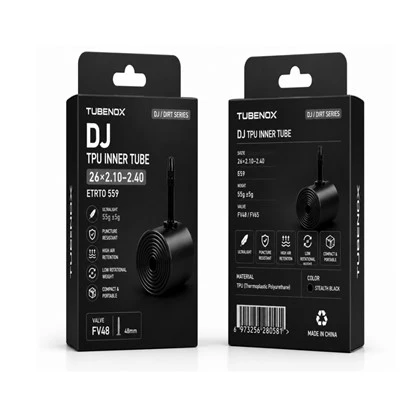
TUBENOX uses the abbreviation FV, referring to a French or Presta valve.
Schrader Valve
Schrader valves are wider and are commonly found on:
City bikes
Children's bicycles
Entry-level mountain bikes
Some BMX and utility bicycles
The rim valve hole must be compatible with the selected valve. A Schrader valve will not fit through a rim drilled only for Presta valves.
How to Select Presta Valve Length
Valve length depends mainly on rim depth. The valve must extend far enough beyond the rim for a pump head to attach securely.
Common TUBENOX options include:
| Valve option | Typical use |
|---|---|
| FV48 | Standard and shallow rims |
| FV65 | Medium-depth rims |
| FV85 | Deep-section aerodynamic rims |
These are general applications rather than fixed rules. The actual rim depth should be measured before ordering.
A valve that is too short may sit inside or barely above the rim, making inflation difficult. A valve that is longer than necessary can normally function, but it may be less visually balanced and more exposed to sideways force.
For OEM projects, buyers should provide the rim depth or required exposed valve length instead of selecting a valve solely from the bicycle category.
Can One Inner Tube Fit Several Tire Sizes?
Yes. One inner tube can normally cover several tire widths when they share the same bead seat diameter.
For example, a 700×35–45C tube may be suitable for:
700×35C
700×38C
700×40C
700×42C
700×45C
It cannot automatically be used with a 650B tire because the rim diameter is different, even if the tire widths are similar.
TPU tubes should be used within the manufacturer's stated range. Their thin, shaped construction makes correct sizing especially important.
Common Inner Tube Sizing Mistakes
Choosing by Wheel Name Alone
Descriptions such as 20-inch, 26-inch or 28-inch may refer to more than one rim standard. Check the ETRTO diameter.
Ignoring Tire Width
Matching the rim diameter is not enough. The tube must also cover the tire's actual width.
Confusing 650B with 650C
650B commonly uses a 584mm diameter, while 650C commonly uses 571mm. They are not interchangeable.
Assuming 700C and 29-Inch Tubes Are the Same
Both normally use a 622mm rim, but road and MTB tires require very different tube widths.
Ordering a Valve That Is Too Short
Deep rims require longer valves. Confirm the rim depth before choosing FV48, FV65 or FV85.
Mixing 406 and 451 BMX Tubes
Both may be sold as 20-inch tubes, but their bead seat diameters are different.
Inner Tube Specification Checklist for Buyers
Before requesting samples or production quotations, confirm:
Tire size printed on the sidewall
ETRTO width and bead seat diameter
Minimum and maximum tire width
Wheel category
Valve type
Required valve length
Target tube weight
Intended riding application
Rim type and depth
Retail or OEM packaging requirements
Providing these details helps a manufacturer recommend the correct tube structure and avoid unnecessary sample revisions.
Bicycle Inner Tube Size FAQ
1. What do the numbers 25-622 mean?
The first number indicates the approximate tire width in millimetres. The second number is the 622mm bead seat diameter.
2. Is a 700C tube compatible with a 29-inch wheel?
Both normally use a 622mm rim, but compatibility also depends on tire width. A narrow road tube should not be used in a wide MTB tire.
3. Are 27.5-inch and 650B the same size?
They commonly share a 584mm bead seat diameter. Check the tire's ETRTO marking and width before selecting the tube.
4. Can I use a 700×18–28C tube in a 700×32C tire?
It is outside the stated width range and is not recommended. Choose a tube whose range includes 32mm.
5. Are all 20-inch bicycle tubes interchangeable?
No. Common 20-inch standards include 406 and 451, along with several less common sizes. Match the ETRTO diameter exactly.
6. How much longer should the valve be than the rim depth?
It must leave enough exposed valve for the pump head to connect securely. Because pump heads differ, confirm the rim depth and required exposed length before ordering.
7. Can I use a longer Presta valve on a shallow rim?
Usually yes, provided the valve and rim are otherwise compatible. However, an unnecessarily long valve may be more exposed to sideways force.
8. Why do TPU tubes have a narrower compatibility range?
TPU tubes use thin, shaped material and controlled dimensions to reduce weight. Staying within the specified range helps maintain consistent wall thickness and valve positioning.
Find the Correct TPU Inner Tube for Your Market
TUBENOX supplies TPU bicycle inner tubes for road, gravel, MTB and BMX applications, including 406, 451, 559, 571, 584 and 622mm wheel standards. Multiple tube weights and FV48, FV65 and FV85 Presta valve options are available for OEM and private-label projects.
Send us your tire size, ETRTO specification, rim depth and target application to receive a suitable product recommendation, sample plan and quotation.